
Description
Description
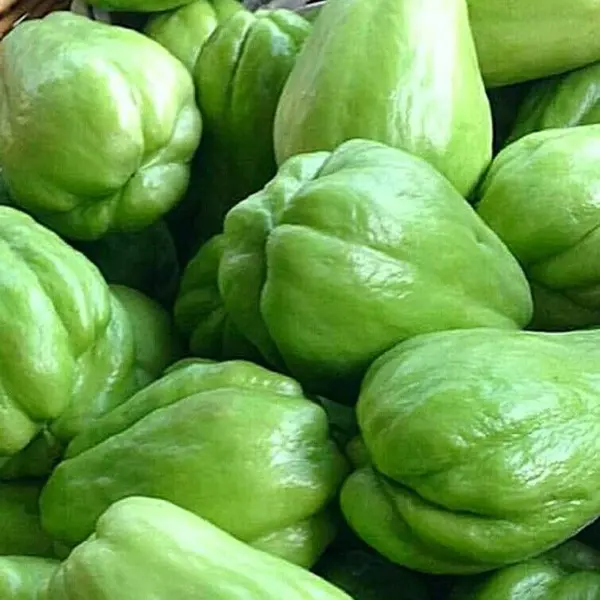
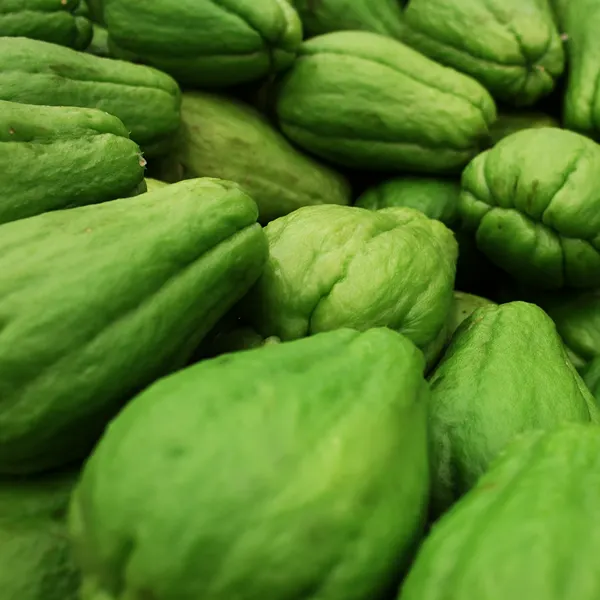
Chayote squash (Sechium edule), commonly known as Iskash, Chow Chow, or Vegetable Pear, is a light-green, pear-shaped vegetable belonging to the cucumber family (Cucurbitaceae). It has smooth or slightly wrinkled skin and a mild, refreshing taste. The flesh is crisp and pale green to white, with a single soft, edible seed in the center. Unlike bitter gourd, chayote has a neutral flavor, making it highly versatile in cooking. It is widely used in Asian, Latin American, and Caribbean cuisines for its tender texture and ability to absorb spices and seasonings.
Growing Method
Chayote squash grows well in warm, frost-free climates with plenty of sunlight. It prefers well-drained, fertile soil rich in organic matter, with an ideal soil pH of 6.0–6.8. The plant is usually grown by planting the whole mature fruit, as the seed sprouts inside it. Chayote is a fast-growing vine and requires strong support such as trellises or fences. Regular watering is important, especially during flowering and fruit development, but excess water should be avoided. Fruits are typically ready for harvest 120–150 days after planting, when they are firm and light green.
Nutritional Value
Chayote squash is low in calories and fat, making it ideal for a healthy diet. It is rich in dietary fiber, vitamin C, vitamin B6, folate, and minerals such as potassium, magnesium, and zinc. Its high water content helps with hydration and digestion. Chayote also contains antioxidants that support heart health, improve digestion, and help regulate blood sugar levels. Because of its folate content, it is especially beneficial for pregnant women.
Culinary Use
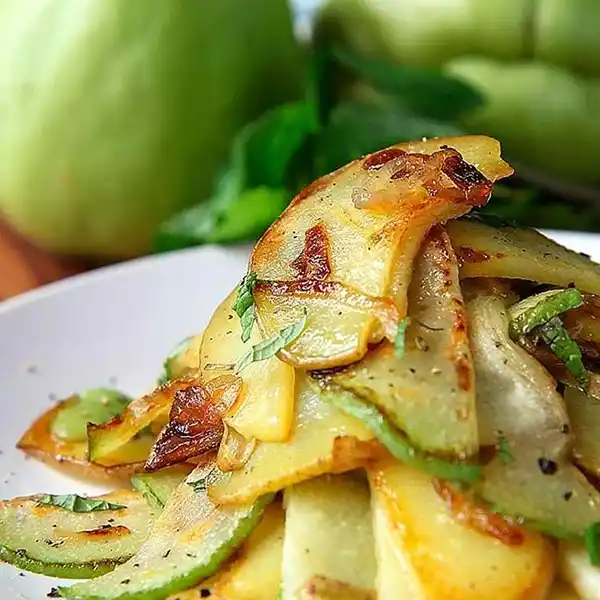
Chayote squash is extremely versatile in cooking due to its mild taste. It can be boiled, stir-fried, sautéed, steamed, stuffed, or added to soups and curries. In South Asian cooking, it is commonly used in sabzi with spices like turmeric, cumin, garlic, and green chilies. In Chinese and Filipino cuisine, it is often stir-fried with meat or seafood. Chayote can also be eaten raw in salads, grated like cucumber, or added to stews. Its soft texture after cooking makes it an excellent substitute for potatoes or zucchini.
Storage & Care
Fresh chayote squash should be stored in a cool, dry place or in the refrigerator’s vegetable compartment. When refrigerated, it can last 1–2 weeks if kept in a breathable bag or wrapped in paper towel. Avoid washing before storage, as moisture can cause spoilage. Overripe chayote becomes soft and may start sprouting, which reduces its quality. For long-term storage, chayote can be blanched and frozen, or cooked and preserved for later use.