
Description
Description
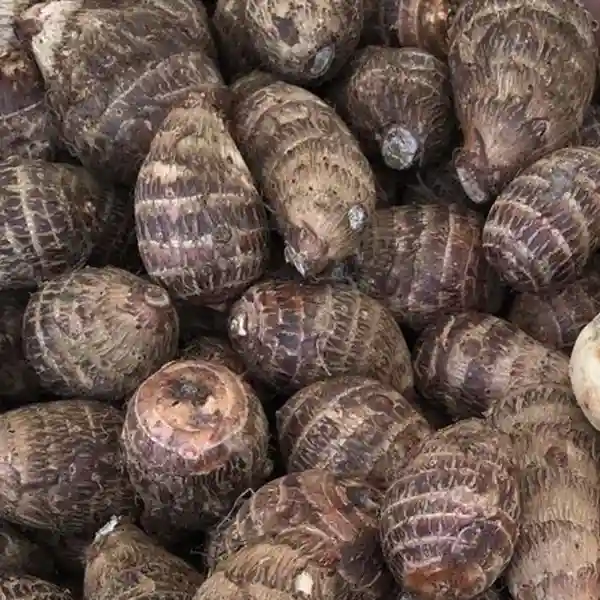
Arbi, also known as Taro or Colocasia, is a popular tropical root vegetable widely used in Indian cooking. It has a rough, brown outer skin with white to pale cream flesh inside. When cooked, arbi becomes soft with a slightly sticky texture and has a mild, nutty, earthy flavor. Apart from the root, arbi leaves are also edible and used in several traditional dishes.
Growing Method
Arbi grows well in warm, humid climates and prefers moist, fertile, well-drained soil. It is cultivated using corms rather than seeds. The plant requires partial to full sunlight and regular watering for healthy growth. The crop is usually ready for harvest within 6–8 months, commonly after the monsoon season.
Nutritional Value
Arbi is a good source of complex carbohydrates, providing sustained energy. It is rich in dietary fiber, which supports digestion and gut health. It also contains essential minerals such as potassium, magnesium, and iron, along with vitamins like vitamin B6 and vitamin E. Naturally gluten-free, arbi is beneficial for heart health and overall metabolism.
Culinary Use
Arbi is used in a variety of Indian dishes. Popular preparations include arbi fry, dry arbi sabzi, arbi masala, and curry-based dishes. In Gujarati and Maharashtrian cuisine, arbi leaves are used to make patra (alu vadi). Arbi can be boiled, shallow-fried, or cooked with spices and gravies. It pairs well with spices such as cumin, carom seeds (ajwain), chili, tamarind, and coriander.
Storage & Care
Fresh arbi can be stored in a cool, dry place for up to 1–2 weeks. For longer storage, keep it in the refrigerator’s vegetable crisper. Avoid washing arbi before storing, as moisture can cause spoilage. While peeling raw arbi, applying oil on hands or using gloves is recommended, as it may cause skin irritation for some people.