
Description
Description
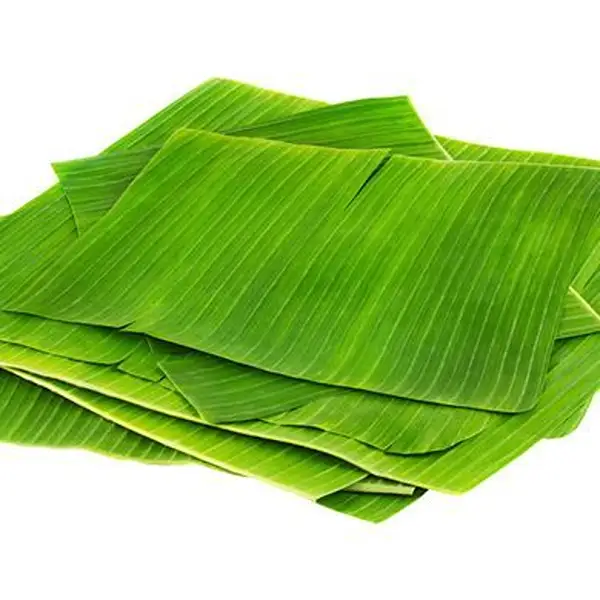
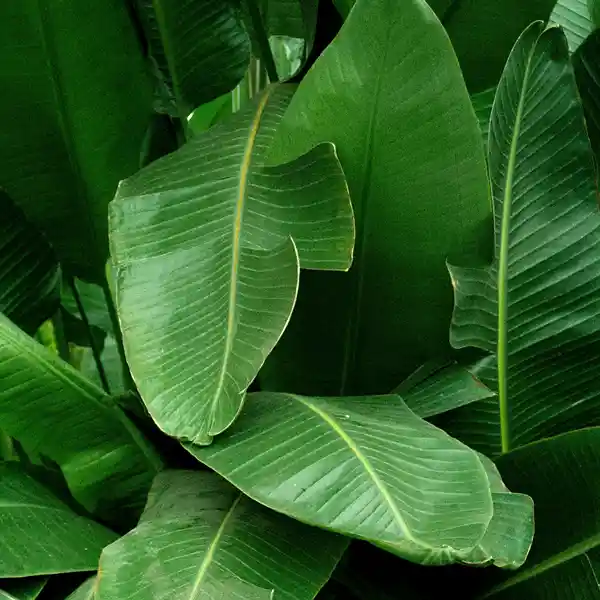
Banana leaf is a large, smooth, and flexible green leaf that comes from the banana plant (Musa species). It has a glossy surface with a prominent central vein and a slightly waxy texture that makes it water-resistant. Banana leaves are widely used across tropical regions for cooking, serving, and wrapping food. Though not edible, they impart a subtle, earthy aroma and flavor when used in steaming, grilling, or serving dishes.
Growing Method
Banana leaves are harvested from banana plants, which thrive in warm, humid climates and well-drained, fertile soil. The plants grow best in full sunlight and require regular watering. New leaves continuously emerge from the central stem, allowing for repeated harvesting without harming the plant. Mature leaves are typically cut before they tear naturally.
Nutritional Value
While banana leaves themselves are not eaten, they are valued for their natural antioxidants and polyphenols, which can transfer in small amounts to food cooked or served on them. They are also non-toxic, biodegradable, and chemical-free—making them an eco-friendly alternative to synthetic packaging.
Culinary Use
Banana leaves are used as natural wrappers for steaming, grilling, and baking dishes across many Asian, African, and Latin American cuisines. They help retain moisture and infuse a gentle aroma into foods such as rice cakes, fish, tamales, and curries. They also serve as eco-friendly plates or liners for serving traditional meals and festive feasts.
Storage & Care
Fresh banana leaves should be kept refrigerated, wrapped in plastic or a damp cloth, and can last up to a week. For longer storage, they can be blanched and frozen. To make them pliable before use, lightly pass them over an open flame or dip them briefly in hot water to prevent tearing.
Would you like me to format it in the same style and tone as your red cabbage description (for example, matching line spacing and structure exactly)?