
Description
Description
Green, yellow, and red bell peppers are crisp, vibrant vegetables known for their sweet, mildly tangy flavor and juicy texture. Green bell peppers offer a fresh, slightly grassy taste, yellow ones are sweeter and fruitier, while red bell peppers—being the ripest—have the sweetest and richest flavor of all. Their bright colors and satisfying crunch make them a favorite in salads, stir-fries, and a wide range of cooked dishes. Bell peppers are not only visually appealing but also incredibly versatile and highly nutritious.
Growing Method
Bell peppers thrive in warm, sunny climates with well-drained, fertile soil rich in organic matter. They require full sun exposure (at least 6–8 hours daily) and consistent watering, especially during fruit development. Bell peppers are typically grown from seeds or young seedlings and mature in about 60–90 days, depending on the variety and growing conditions. Proper spacing, staking, and regular care support healthy growth and maximize yield and fruit quality.
Nutritional Value
Green, yellow, and red bell peppers are excellent sources of vitamins C, A, B6, and folate. Red bell peppers, in particular, have the highest levels of vitamin C and beta-carotene. All three colors are rich in antioxidants like lutein and beta-carotene, which support eye health, boost the immune system, and help fight oxidative stress. Low in calories and high in hydration, bell peppers promote skin health, support metabolism, and are an excellent addition to a balanced diet.
Culinary Use
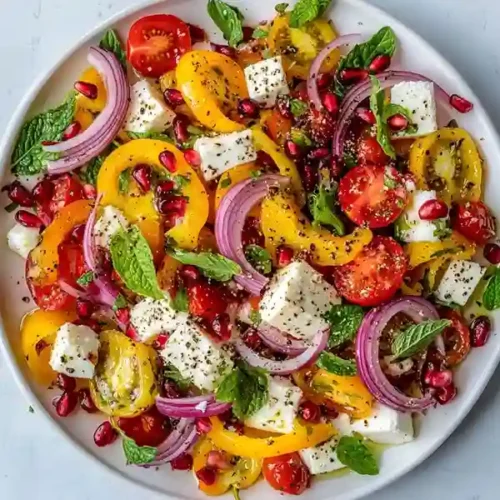
Bell peppers can be enjoyed raw, roasted, grilled, or cooked in countless ways. Add them fresh to salads for a colorful, crisp crunch, stuff them with grains or meats for a hearty meal, or toss them into stir-fries, pasta, curries, or fajitas. Their mild, sweet flavor complements both vegetarian and non-vegetarian dishes across global cuisines. Roasted red peppers also add a rich, smoky depth to sauces and dips.
Storage & Care
Store unwashed bell peppers in a paper or perforated plastic bag in the vegetable crisper of the refrigerator. They stay fresh for up to 7–10 days. To extend shelf life, cut bell peppers can be stored in airtight containers in the fridge for up to 3 days. For long-term use, they can be sliced and frozen — making them ideal for use in cooked dishes anytime.