
Description
Description
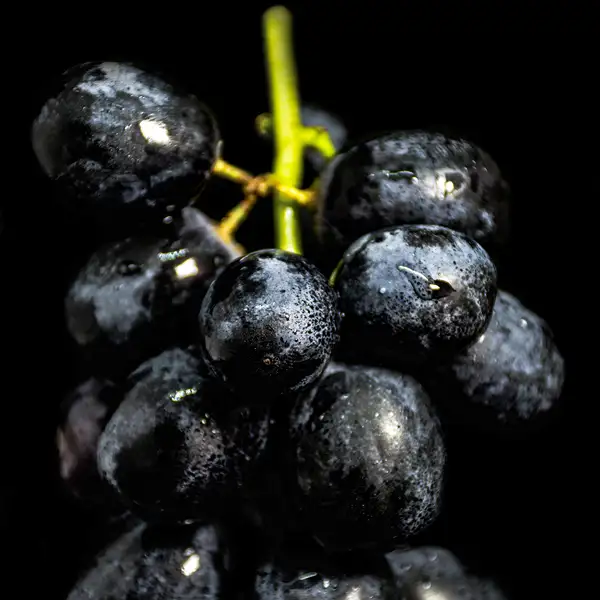
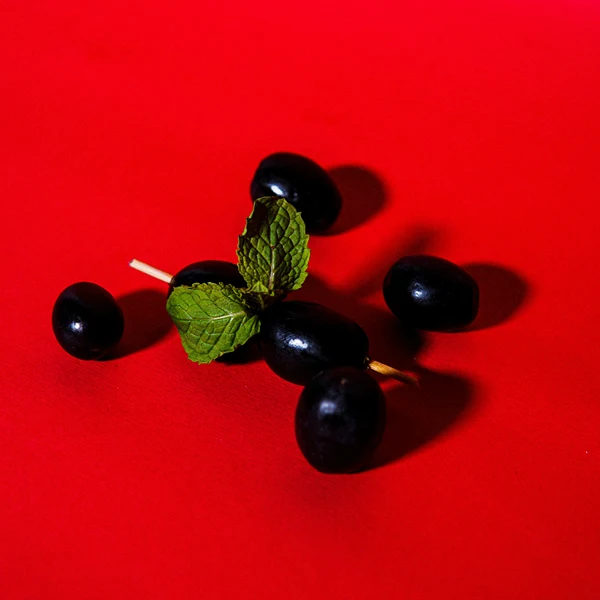
Blueberry, also known as highbush or lowbush blueberry (Vaccinium species), is a small, round berry recognized for its deep blue to purple skin and soft, juicy flesh. The fruit has a pleasantly sweet flavor balanced with mild tartness, paired with a tender and refreshing texture. Its vibrant color and naturally sweet taste make it popular both as a fresh snack and as a versatile ingredient in smoothies, baked goods, and desserts. Blueberry’s appealing appearance and impressive nutritional profile have contributed to its widespread popularity around the world.
Growing Method
Blueberries grow on perennial flowering shrubs that thrive in cool to moderate climates. They require well-drained, acidic soil with a pH between 4.5 and 5.5, consistent moisture, and full sunlight for optimal fruit production. Mulching helps retain soil moisture and regulate temperature. The plants produce small white or pink bell-shaped flowers in spring, which are pollinated by bees. Fruit typically matures 60–90 days after flowering, depending on the variety and growing conditions.
Nutritional Value
Blueberries are low in calories but rich in essential nutrients including vitamin C, vitamin K, and manganese. They provide dietary fiber and powerful antioxidants such as anthocyanins and flavonoids that help combat oxidative stress and inflammation. The fruit supports heart health, improves brain function, and strengthens the immune system. Blueberries’ high antioxidant content and nutrient density make them an excellent addition to a balanced, health-conscious diet.
Culinary Use
Blueberries are enjoyed fresh and are commonly added to fruit salads, yogurt, cereals, and smoothie bowls for their sweet-tart flavor and vibrant color. They are widely used in baking, especially in muffins, pancakes, pies, and cakes. Blueberries can also be blended into juices, sauces, jams, or desserts. The fruit pairs well with flavors like lemon, vanilla, cinnamon, and almonds. Due to its balanced sweetness and slight tang, it works well as both a main ingredient and a complementary flavor in recipes.
Storage & Care
Fresh blueberries should be stored in the refrigerator and consumed within 5–7 days for peak freshness. They should not be washed until just before use to prevent excess moisture and spoilage. Once washed, they should be dried thoroughly and kept in a breathable container. Blueberries can be frozen for long-term storage without significant loss of flavor or nutrients. Handle gently to avoid crushing, as damaged berries spoil more quickly.