
Description
Description
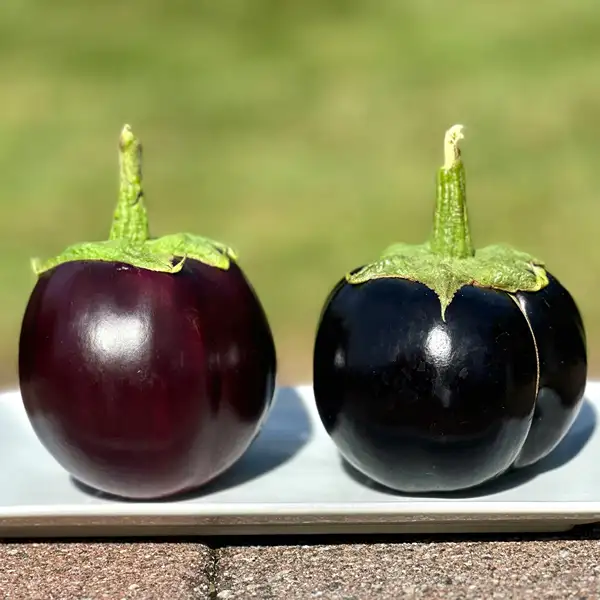
Brinjal, commonly known as eggplant (Solanum melongena), is a glossy, deep purple or violet-hued vegetable with smooth skin and a spongy, creamy-white interior. It comes in a variety of shapes and sizes, from long and slender to round and bulbous, and is valued for its mild, slightly earthy flavor and ability to absorb spices and seasonings well. Brinjal is a staple in many global cuisines, especially in Indian, Mediterranean, and Middle Eastern dishes, where it is used in curries, stir-fries, grills, and stews.
Growing Method
Brinjal grows best in warm, sunny climates with well-drained, nutrient-rich soil and a pH between 5.5 and 7.0. It is typically propagated from seeds and transplanted once seedlings are strong enough. The plant requires consistent watering, support for heavy fruits, and protection from pests such as aphids and fruit borers. Brinjal plants flourish with regular feeding and benefit from mulching to retain soil moisture. Fruits are harvested when they reach a desirable size and develop a glossy skin, indicating peak freshness.
Nutritional Value
Brinjal is low in calories and a good source of dietary fiber, vitamin B1, B6, and potassium. It also contains antioxidants like nasunin (found in the skin) and chlorogenic acid, which support heart health and protect against cell damage. The high fiber content aids in digestion, while the low glycemic index makes it suitable for diabetic-friendly diets. Brinjal is hydrating and contributes to a balanced, plant-based diet.
Culinary Use
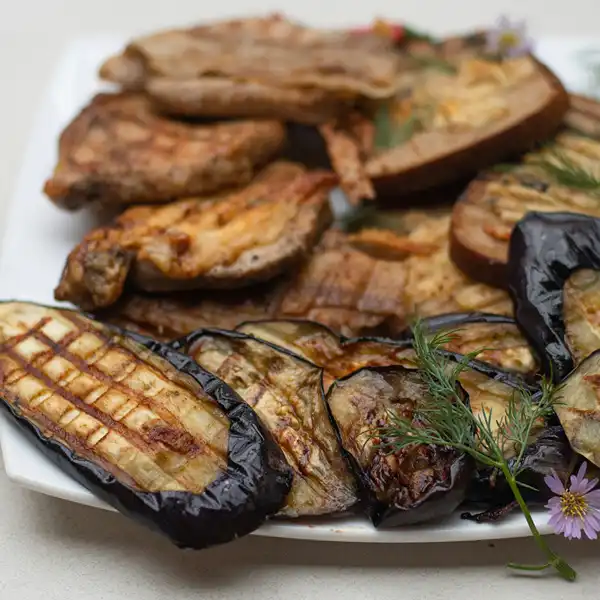
Brinjal is highly versatile in cooking and can be grilled, roasted, sautéed, fried, or steamed. It is a key ingredient in dishes such as baingan bharta, ratatouille, baba ganoush, and eggplant parmigiana. When cooked, brinjal becomes soft and creamy, readily absorbing spices, herbs, and sauces. It pairs well with garlic, tomato, onions, and cumin, and is commonly used in vegetarian and vegan recipes as a hearty meat substitute.
Storage & Care
Brinjal should be stored in a cool, dry place or in the refrigerator crisper drawer and used within 3–5 days for optimal freshness. Avoid storing it near ethylene-producing fruits like bananas or apples, which can cause over-ripening. Do not wash brinjal until ready to use, as excess moisture may lead to spoilage. If the skin becomes wrinkled or the flesh turns brown and spongy, the brinjal is past its prime and should be discarded.