
Description
Description
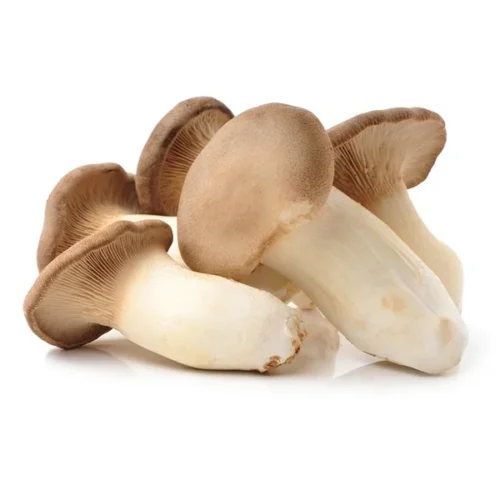
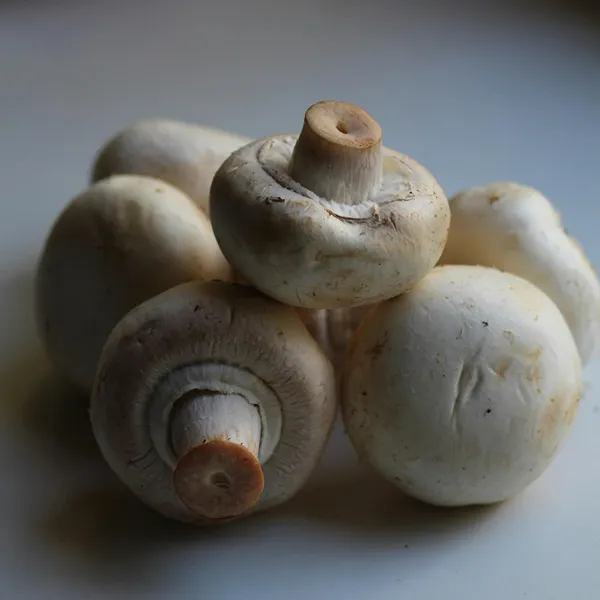
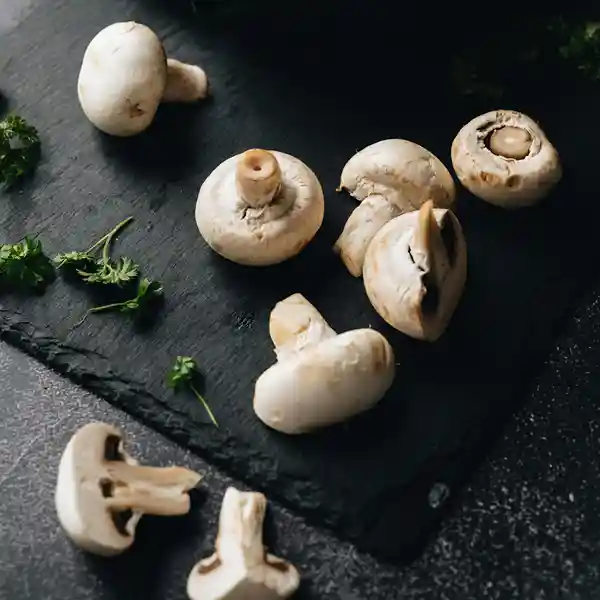
Button mushrooms are small, round, white or off-white fungi with smooth caps and short, thick stems. Also known as white mushrooms or common mushrooms, they are harvested at an early stage of growth, which gives them their compact size and mild flavor. The texture is firm and slightly spongy when raw, becoming tender and juicy when cooked. Their subtle, earthy taste makes them incredibly versatile in both raw and cooked dishes. Button mushrooms are one of the most widely consumed mushrooms globally due to their availability, affordability, and ability to blend seamlessly with a wide variety of ingredients.
Growing Method
Button mushrooms are grown indoors under carefully controlled conditions rather than in traditional soil gardens. They are cultivated in trays or beds filled with a pasteurized compost base, typically made of straw, manure, and other organic materials. Once the compost is colonized by mushroom spawn, a layer of moist casing soil is applied to encourage fruiting. Mushrooms require a cool, humid environment with low light, and temperatures between 55–65°F (13–18°C) are ideal. Harvesting begins in about 3–4 weeks from casing, with mushrooms picked before the cap fully opens to maintain the classic button shape. Multiple flushes can be harvested from a single crop cycle.
Nutritional Value
Button mushrooms are low in calories and fat while offering a range of essential nutrients. They are a good source of B vitamins such as riboflavin, niacin, and pantothenic acid, which support energy metabolism and nervous system health. They also contain selenium, copper, and potassium—important minerals for immune and heart function. Though not a plant, mushrooms provide dietary fiber and antioxidants like ergothioneine. Button mushrooms are one of the few non-animal sources of vitamin D when exposed to ultraviolet light, supporting bone health and immunity. Their low calorie count and nutritional content make them a smart addition to balanced diets.
Culinary Use
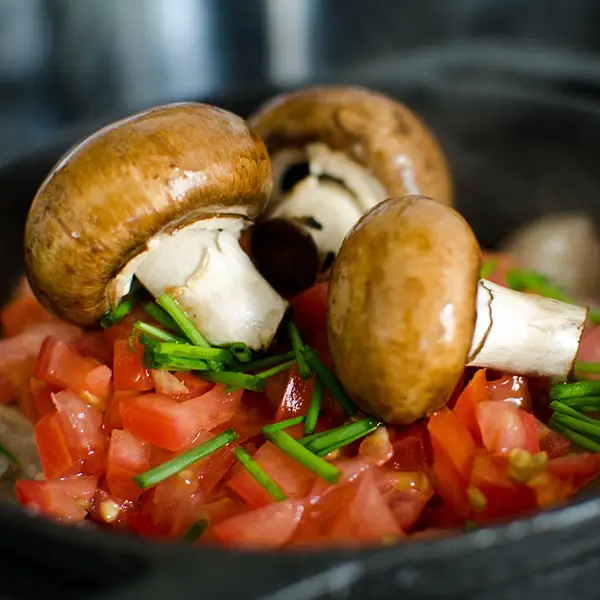
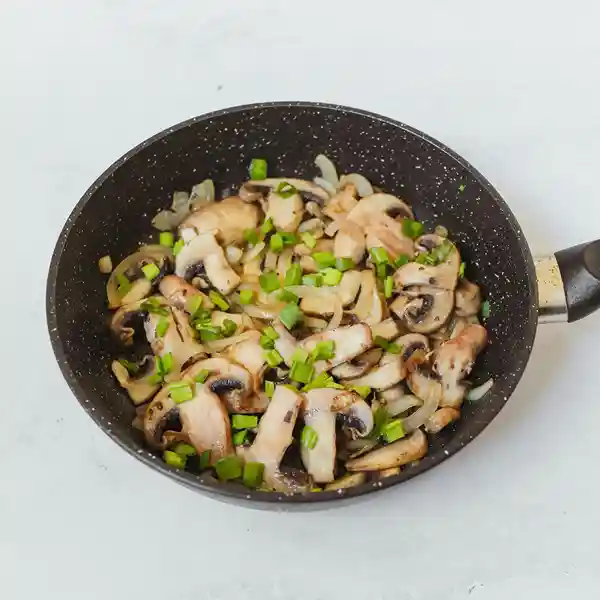
Button mushrooms can be enjoyed raw or cooked, making them a versatile ingredient across global cuisines. When raw, they add a mild crunch to salads and vegetable platters. When cooked, their flavor deepens and becomes richer, making them suitable for sautéing, roasting, grilling, or adding to soups, pastas, and sauces. They pair well with garlic, herbs, butter, soy sauce, and cream-based preparations. Button mushrooms can also be stuffed and baked as appetizers or sliced thin for pizza toppings, omelets, and stir-fries. Their neutral flavor allows them to complement both vegetarian and meat-based dishes with ease.
Storage & Care
Button mushrooms should be stored in the refrigerator in their original packaging or in a paper bag to allow airflow and prevent moisture buildup, which can cause sliminess. Avoid airtight containers or plastic bags without ventilation. When stored properly, they stay fresh for 4–7 days. Do not wash mushrooms until just before use, as excess moisture can cause them to spoil more quickly. Instead, wipe them gently with a damp cloth or paper towel to clean. If any mushrooms become slimy or develop dark spots, discard them. Mushrooms can also be sliced and frozen after sautéing for long-term storage in cooked dishes.