
Description
Description
Coriander leaves, also known as cilantro, are delicate, feathery green leaves with slender stems and a fresh, citrusy aroma that is both bright and pungent. Their flavor is bold and herbaceous with lemony, slightly peppery notes and a hint of earthiness. While loved for their refreshing, zesty profile, coriander leaves can taste soapy to some due to a genetic sensitivity. When chopped, the leaves release essential oils that intensify their fragrance and flavor, making them a finishing touch in many cuisines. They wilt quickly when exposed to heat, so they’re often added raw or at the end of cooking to preserve their vibrant taste and aroma.
Growing Method
Coriander is a fast-growing annual herb that thrives in cool to moderate climates with well-drained, loamy soil and full to partial sunlight. It is typically grown from seeds sown directly into the soil or containers, germinating quickly within 7 to 10 days. The plant matures in 3 to 4 weeks for leaf harvest, while the seeds (coriander spice) take longer to develop. Regular watering, light mulching, and careful thinning encourage healthy leaf growth. Because coriander bolts easily in hot weather, it’s often grown in early spring or fall and benefits from successive sowings for a continuous harvest.
Nutritional Value
Coriander leaves are low in calories but packed with micronutrients and powerful plant compounds. They are a good source of vitamin K, supporting blood clotting and bone health, and contain moderate amounts of vitamin C, vitamin A, folate, and potassium. Rich in antioxidants and essential oils like linalool and borneol, coriander has natural anti-inflammatory, antibacterial, and digestive benefits. Its detoxifying properties may support liver function, while its high chlorophyll content contributes to overall cellular health. Regular consumption may also help reduce bloating and improve appetite and digestion.
Culinary Use
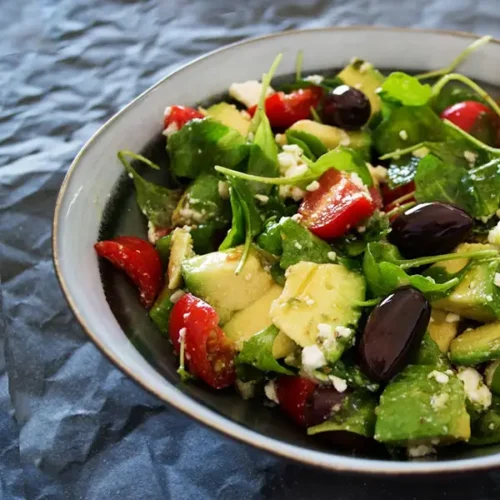
Coriander leaves are used fresh to enhance the flavor and aroma of countless dishes across global cuisines. They are commonly sprinkled over curries, soups, salads, salsas, and stir-fries as a garnish or mixed into chutneys, sauces, and dips. In South Asian, Latin American, Middle Eastern, and Southeast Asian cooking, coriander is a staple herb, valued for its ability to brighten spicy, rich, or tangy dishes. It pairs well with lime, chili, garlic, and onion and adds a burst of freshness to rice, noodles, grilled meats, and legumes. Because it loses potency with heat, coriander is typically added at the end of cooking or used raw.
Storage & Care
Fresh coriander leaves should be stored in the refrigerator to maintain their color and flavor. For best results, trim the stems and place the bunch in a jar with water, loosely covered with a plastic bag, and store in the fridge, changing the water every couple of days. Alternatively, the leaves can be wrapped in damp paper towels and sealed in an airtight container. Coriander can last 5 to 7 days with proper care. To preserve it longer, the leaves can be finely chopped and frozen in ice cube trays with water or oil. Avoid washing before storage, as excess moisture can accelerate wilting and spoilage