
Description
Description
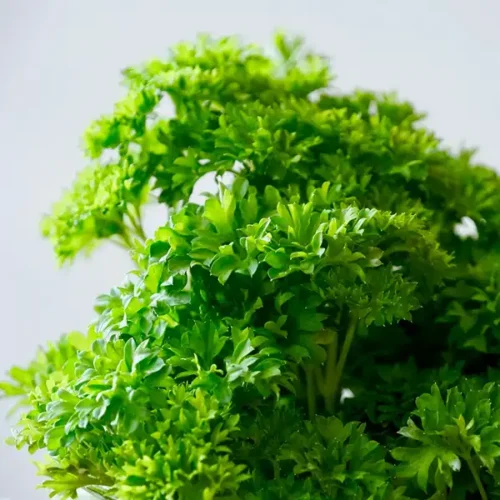
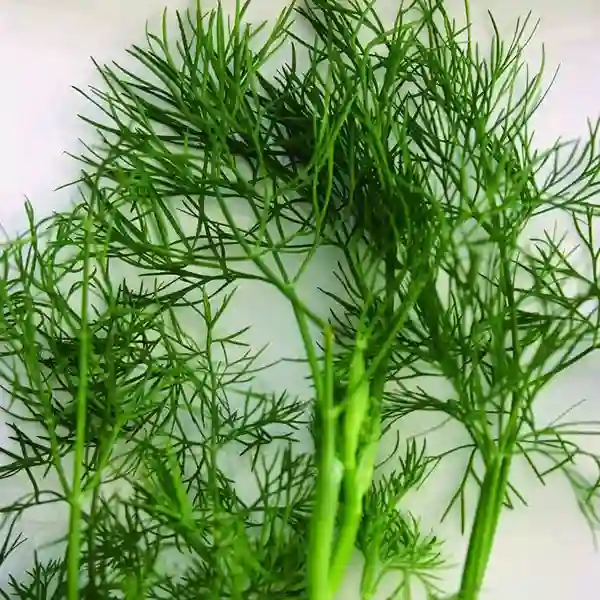
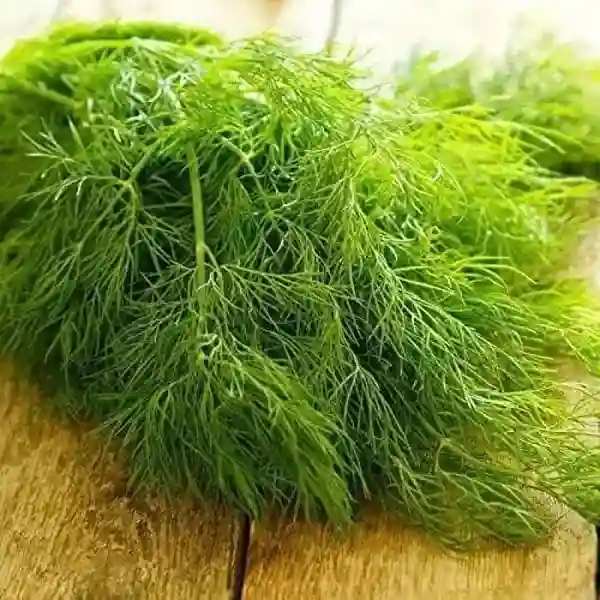
Dill leaves are delicate, feathery green herbs that grow on slender stems and are known for their fresh aroma and mild, slightly tangy flavor. The leaves are soft and finely divided, giving them a light and airy appearance. Dill leaves have a pleasant herbal taste with subtle hints of citrus and sweetness, which makes them a popular ingredient in many cuisines. Because of their refreshing flavor and bright green color, dill leaves are often used to enhance both the taste and presentation of a variety of dishes.
Growing Method
Dill leaves grow on an annual herb plant that thrives in cool to moderately warm climates with plenty of sunlight. The plant prefers well-drained, fertile soil and grows best when directly planted in the ground or in containers. During its growth, the plant develops thin stems with soft, feathery leaves. Small yellow flowers appear later in the season, which eventually produce dill seeds. The leaves are usually harvested before the plant flowers to ensure the best flavor and tenderness.
Nutritional Value
Dill leaves contain several essential vitamins and nutrients that contribute to a healthy diet. They are a good source of vitamin A, vitamin C, and vitamin K, along with minerals such as calcium, iron, and manganese. Dill leaves also contain antioxidants that help protect the body from oxidative stress. In addition, they provide small amounts of dietary fiber, which supports digestion and overall wellness when consumed as part of a balanced diet.
Culinary Use
Dill leaves are widely used as a flavoring herb in many dishes. They are commonly added to soups, salads, curries, and vegetable preparations. Dill leaves are also used in chutneys, yogurt-based dishes, and pickles to add a fresh herbal taste. In some cuisines, they are mixed with rice, lentils, or potatoes for added aroma and flavor. Their light, refreshing taste makes them a versatile ingredient that complements both simple and complex recipes.
Storage & Care
Fresh dill leaves should be stored in the refrigerator to keep them fresh for a longer time. They can be wrapped loosely in a damp paper towel and placed in a breathable container or plastic bag. It is best to wash the leaves just before use to prevent excess moisture from causing spoilage. When stored properly, dill leaves can stay fresh for several days. For longer storage, they can also be chopped and frozen for later use in cooking.