
Description
Description
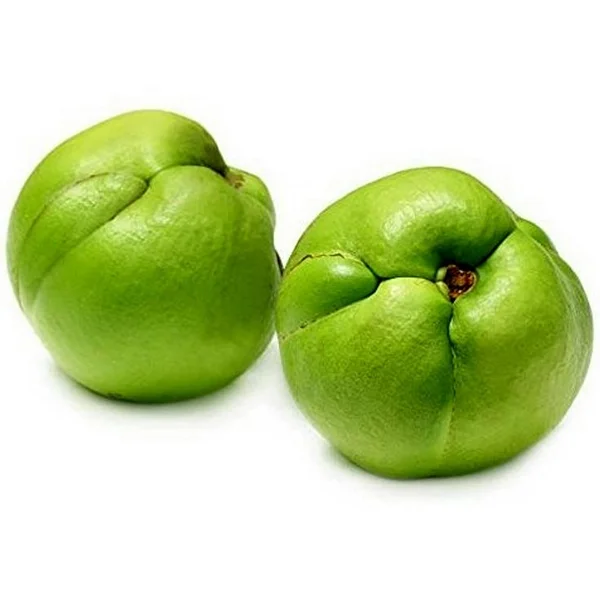
Elephant apple, known as “Dillenia indica,” is a large, round to slightly flattened fruit with a tough greenish-yellow skin and a fibrous, acidic pulp. It has a tangy, sour taste and is commonly used in chutneys, jams, pickles, and traditional medicinal preparations. The fruit is native to Southeast Asia and India and is valued both for its culinary and therapeutic properties.
Growing Method
Elephant apple trees grow best in tropical and subtropical climates with rich, well-drained soil and a pH of 6.0–7.5. They require full sunlight and regular watering, especially during dry periods. The trees can grow up to 15–25 meters in height and are propagated through seeds. Flowers bloom during the rainy season, and fruits develop over several months, typically harvested when the skin turns yellowish-green and the pulp is firm but slightly soft.
Nutritional Value
Elephant apple is low in calories and rich in vitamin C, antioxidants, and dietary fiber. It also contains small amounts of vitamins A and B-complex and essential minerals like calcium, phosphorus, and iron. The antioxidants and acidic compounds in the fruit support digestion, boost immunity, and have anti-inflammatory properties. Its high fiber content aids in digestive health and contributes to a balanced diet.
Culinary Use
The acidic pulp of elephant apple is primarily used in making chutneys, jams, pickles, sauces, and curries. It can also be added to soups or beverages for a tangy flavor. In traditional cuisines, it is often cooked with spices, sugar, or salt to balance its sourness. Elephant apple pairs well with chili, jaggery, and aromatic spices like cumin and coriander.
Storage and Care
Fresh elephant apples should be stored in a cool, dry place and consumed within a few days of harvest for optimal flavor and texture. For longer storage, the pulp can be processed into jams, pickles, or preserved in sugar syrup. Avoid prolonged exposure to direct sunlight or moisture, which can cause the fruit to spoil or ferment.