
Description
Description
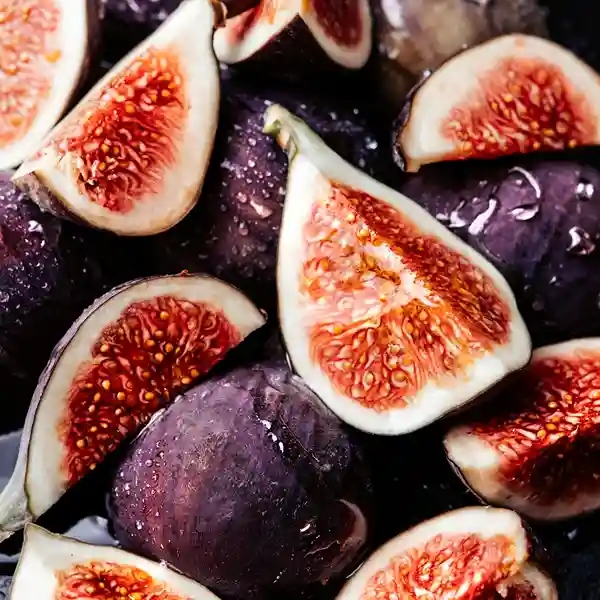
Fresh Fig is a soft, naturally sweet fruit known for its delicate skin, tender flesh, and unique crunchy seeds. The fruit is typically round or pear-shaped with thin edible skin that may be green, purple, brown, or black depending on the variety. Inside, fresh figs contain a luscious pink to deep red pulp filled with tiny edible seeds that provide a pleasant texture. The flesh is juicy, mildly honey-like in flavor, and highly aromatic when fully ripe. Fresh figs are prized for their rich taste, smooth texture, and natural sweetness, making them a popular seasonal fruit enjoyed around the world.
Growing Method
Fresh Figs are produced on deciduous fig trees that thrive in warm, sunny climates with well-drained fertile soil. They grow best in regions with hot summers and mild winters and require full sunlight for healthy growth and fruit production. Fig trees are commonly propagated through cuttings rather than seeds to maintain consistent fruit quality. Regular watering during the growing season, organic compost, balanced fertilization, and annual pruning help promote vigorous growth and abundant harvests. The fruits develop after flowering and are harvested by hand when they become soft, fully colored, and naturally sweet, as they do not continue to ripen significantly after picking.
Nutritional Value
Fresh Figs are naturally rich in dietary fiber, vitamins, minerals, and antioxidants while being relatively low in calories. They are an excellent source of vitamin B6, vitamin K, potassium, calcium, magnesium, copper, and manganese. Their high fiber content supports healthy digestion and promotes regular bowel movements, while potassium helps maintain normal blood pressure and heart health. Fresh figs also contain natural antioxidants such as polyphenols and flavonoids that help protect the body’s cells from oxidative stress. Their natural sugars provide quick energy, making them a nutritious addition to a balanced diet.
Culinary Use
Fresh Figs are widely enjoyed as a naturally sweet snack and are commonly served fresh in fruit platters, salads, and desserts. Their rich flavor pairs well with cheese, yogurt, honey, nuts, and cured meats, making them a popular ingredient in gourmet dishes. Fresh figs can also be blended into smoothies, used as toppings for cereals and oatmeal, or incorporated into cakes, pastries, tarts, and ice creams. They are also cooked into jams, preserves, sauces, and chutneys. Their soft texture and sweet flavor make them suitable for both sweet and savory recipes.
Storage & Care
Fresh Figs are highly perishable and should be handled carefully to preserve their delicate texture and flavor. They should be refrigerated immediately after purchase or harvest and are best consumed within 2 to 3 days for maximum freshness. Store them in a single layer in a shallow container lined with paper towels to prevent bruising and excess moisture. Avoid washing the figs before storage, as moisture can accelerate spoilage. Wash gently just before eating or using them in recipes. Cut figs should be kept in airtight containers in the refrigerator and consumed within 1 to 2 days. For longer storage, fresh figs can be frozen whole or sliced, helping retain much of their flavor and nutritional value.