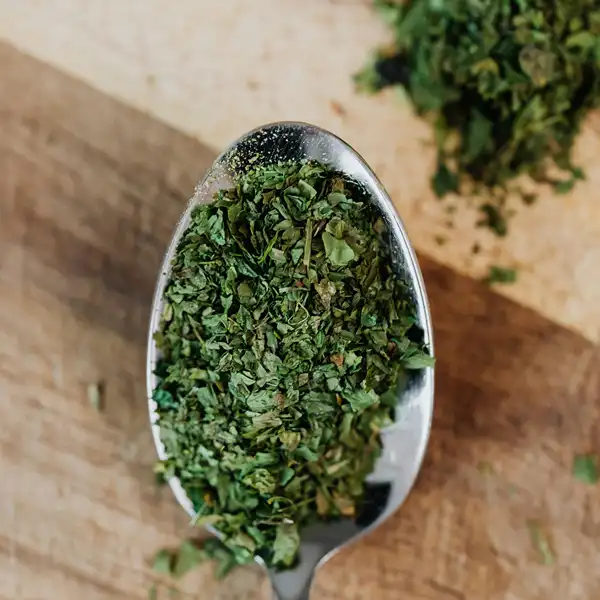


Description
Description
Fresh thyme is a fragrant, woody-stemmed herb known for its small, oval-shaped green leaves and earthy, slightly minty flavor with subtle notes of lemon and clove. A member of the mint family (Lamiaceae), thyme is a staple in Mediterranean and European cuisines, prized for its ability to enhance a wide range of savory dishes without overpowering them. Its aroma intensifies when cooked, making it ideal for slow-cooked meals, herb blends, and marinades. With both culinary and medicinal uses, fresh thyme is a versatile herb valued for its depth of flavor and natural health benefits.
Growing Method
Thyme is a hardy perennial herb that thrives in full sun and well-drained, sandy or loamy soil with a slightly alkaline to neutral pH (6.5–7.5). It is typically grown from seeds, cuttings, or transplants and performs well in garden beds, raised planters, or pots. Thyme is drought-tolerant once established and requires minimal watering, making it an excellent low-maintenance herb for warm, dry climates. Regular trimming encourages bushier growth and helps prevent the plant from becoming woody. Harvesting can begin once the plant is well-established, usually within 6–8 weeks of planting.
Nutritional Value
Fresh thyme is rich in vitamins and antioxidants, including vitamin C, vitamin A, vitamin K, iron, manganese, and calcium. It contains powerful plant compounds such as thymol and carvacrol, which have antimicrobial, antifungal, and anti-inflammatory properties. Thyme has been traditionally used to support respiratory health, improve digestion, and boost the immune system. Although consumed in small amounts, its nutritional and therapeutic benefits make it a valuable addition to health-conscious diets.
Culinary Use
Fresh thyme is a classic herb used to season soups, stews, roasts, sauces, and vegetables. It pairs particularly well with poultry, lamb, fish, potatoes, and Mediterranean ingredients such as olive oil, garlic, lemon, and tomatoes. The leaves can be stripped from the stems and chopped, or whole sprigs can be added during cooking and removed before serving. Thyme is commonly used in herb blends such as bouquet garni, herbes de Provence, and Italian seasoning. It retains much of its flavor when dried, but fresh thyme provides a brighter, more aromatic note to dishes.
Storage & Care
Fresh thyme should be stored in the refrigerator, wrapped in a slightly damp paper towel and placed inside a breathable plastic bag or container. It can remain fresh for up to 7–10 days under proper conditions. Alternatively, thyme sprigs can be stored upright in a glass of water, loosely covered with a plastic bag. For longer storage, thyme can be air-dried or frozen, either whole or chopped and placed in ice cube trays with water or olive oil. Dried thyme should be kept in an airtight container in a cool, dark place and used within 6–12 months for best flavor.