
Description
Description
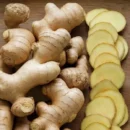
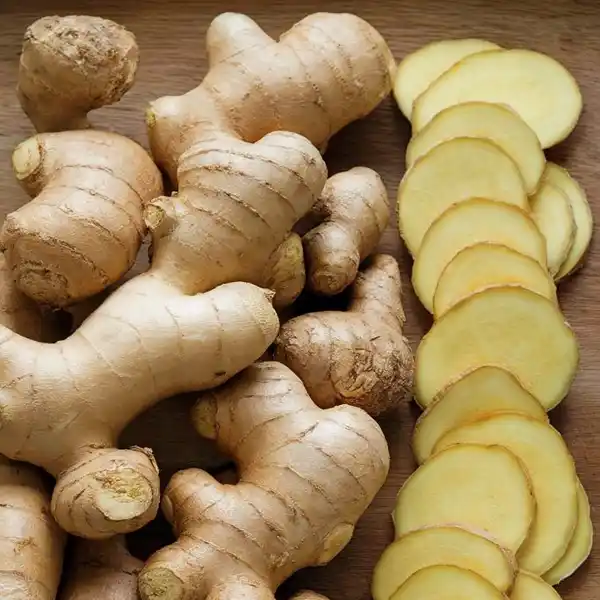
Ginger, when peeled, reveals a fibrous, golden-yellow to pale tan flesh with a sharp, zesty aroma and a bold, spicy flavor. Its taste is warm and peppery with citrusy undertones, delivering both heat and freshness that can cut through rich dishes or brighten up sweet ones. The peeled rhizome is slightly moist, firm to the touch, and stringy when sliced, grated, or crushed. While raw ginger offers intense heat and bite, cooking mellows it into a subtler, almost sweet warmth that infuses broths, curries, stir-fries, and baked goods with depth and complexity. Its aromatic profile makes it indispensable in both savory and sweet culinary traditions across the globe.
Growing Method
Ginger is a tropical plant that thrives in warm, humid climates with indirect sunlight and rich, well-draining soil. It is typically propagated from sections of the rhizome, which are planted shallowly in early spring. The plant matures slowly over 8 to 10 months, producing leafy stalks above ground while the usable rhizome expands below. Consistent moisture, mulching, and organic feeding are key to healthy growth. Ginger is often grown sustainably in shaded agroforestry systems and benefits from crop rotation and interplanting with legumes or turmeric to maintain soil health and deter pests.
Nutritional Value
Ginger is low in calories but rich in bioactive compounds, most notably gingerol, which has powerful anti-inflammatory and antioxidant properties. It also provides small amounts of vitamin C, magnesium, potassium, and copper. Ginger supports digestion, relieves nausea (especially morning sickness and motion sickness), and has been shown to reduce muscle pain and stiffness. Its warming qualities stimulate circulation and may aid in immunity, metabolic health, and gut function. Ginger’s natural compounds also exhibit antimicrobial effects, helping fight infections and soothe cold symptoms.
Culinary Use
Peeled ginger is incredibly versatile, used fresh, dried, pickled, or candied across global cuisines. In Asian dishes, it’s commonly sautéed with garlic and onions as a flavor base for stir-fries, curries, and soups. It adds depth to marinades, sauces, and braised dishes, while in baking, it lends a spicy kick to cakes, cookies, and gingerbread. Grated fresh ginger adds brightness to salad dressings, smoothies, and teas, and slices of ginger are often simmered in hot water for a soothing herbal infusion. In pickled form, it complements sushi, while ground dried ginger features in spice blends like garam masala and pumpkin spice.
Storage & Care
Peeled ginger should be stored in an airtight container in the refrigerator, where it will keep fresh for about 1 to 2 weeks. To extend shelf life, it can be submerged in vinegar, dry sherry, or alcohol and kept chilled. Alternatively, it can be frozen whole or grated—frozen ginger is easier to grate and retains much of its flavor, though it may lose some firmness. Avoid leaving peeled ginger exposed to air for long periods, as it can dry out and lose potency. Unpeeled ginger keeps longer—up to 3–4 weeks—if stored in a cool, dry place or the fridge.