
Description
Description
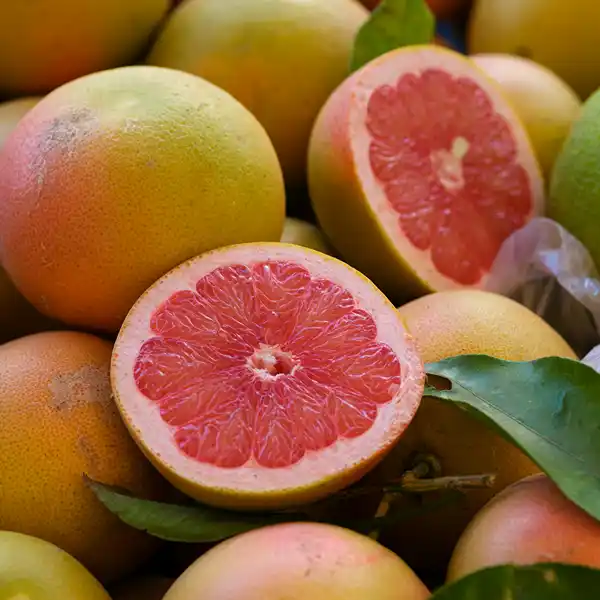
Grapefruit is a large, round citrus fruit known for its thick rind, juicy flesh, and refreshing sweet-tart flavor. The outer peel is typically yellow to orange with a smooth, slightly textured surface, while the inner flesh may be pale yellow, pink, red, or deep ruby depending on the variety. The fruit is divided into juicy segments that offer a refreshing balance of sweetness and pleasant bitterness. Grapefruit has a bright citrus aroma and a crisp, succulent texture, making it a popular choice for fresh consumption, juices, and healthy diets.
Growing Method
Grapefruit is grown on evergreen citrus trees that thrive in warm subtropical and tropical climates with plenty of sunshine. The trees grow best in fertile, well-drained sandy loam soil with a slightly acidic to neutral pH. Grapefruit trees are commonly propagated through grafting onto suitable rootstocks to ensure healthy growth, disease resistance, and high-quality fruit production. Regular irrigation, balanced fertilization, pruning, and proper pest management help maintain tree health and improve yields. The trees produce fragrant white blossoms that develop into fruits over several months. Grapefruits are harvested when they reach their full size, develop their characteristic color, and attain optimal sweetness and juiciness.
Nutritional Value
Grapefruit is low in calories and rich in water, making it a refreshing and hydrating fruit. It is an excellent source of vitamin C, vitamin A, dietary fiber, potassium, and antioxidants such as lycopene, beta-carotene, and flavonoids. These nutrients help support immunity, heart health, healthy skin, and proper digestion. The fruit’s fiber content promotes digestive wellness, while antioxidants help protect the body’s cells from oxidative stress. Grapefruit also contains natural compounds that contribute to overall wellness and make it a nutritious addition to a balanced diet.
Culinary Use
Grapefruit is widely enjoyed fresh by peeling the fruit or cutting it into halves and scooping out the juicy segments. It is commonly added to fruit salads, green salads, smoothies, juices, and breakfast bowls for its refreshing citrus flavor. Grapefruit is also used in marmalades, desserts, sorbets, cocktails, mocktails, and sauces. Its sweet-tart taste pairs well with seafood, poultry, avocado, yogurt, and leafy greens, making it suitable for both sweet and savory dishes. The zest and juice are also used to enhance the flavor of baked goods and dressings.
Storage & Care
Fresh Grapefruit should be stored in a cool, dry place if it will be consumed within a few days. For longer freshness, refrigerate the fruit in the crisper drawer, where it can remain fresh for about 2 to 3 weeks. Avoid washing the fruit before storage, as excess moisture may encourage spoilage. Wash thoroughly just before peeling or cutting. Once cut, grapefruit should be stored in an airtight container in the refrigerator and consumed within 2 to 3 days. For extended storage, the peeled segments can be frozen, helping retain much of their flavor and nutritional value.