
Description
Description
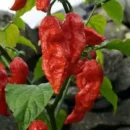
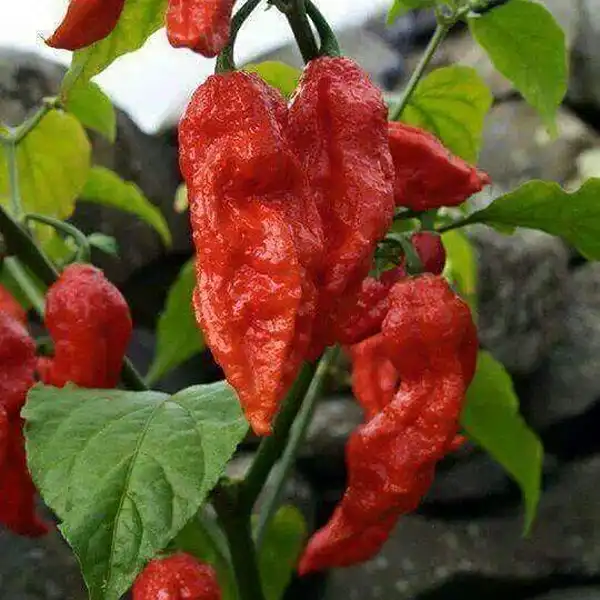
King chili, also known as Bhut Jolokia or Ghost pepper in some regions, is a long, tapered chili with a bright red or orange color when fully ripe. It is extremely hot, with a pungent, fiery flavor that is much stronger than typical chili varieties. King chili is popular in Indian, Southeast Asian, and fusion cuisines for adding intense heat to sauces, pickles, chutneys, and curries. Its unique shape and vibrant color also make it visually striking.
Growing Method
King chili grows best in warm, sunny climates with well-drained, fertile soil and a pH of 6.0–7.0. It is typically propagated from seeds and transplanted once seedlings are strong enough. The plant requires consistent watering, support for heavy fruit, and protection from pests like aphids, thrips, and fruit borers. Regular feeding with organic compost or balanced fertilizer promotes healthy growth. Fruits are harvested when they reach full color and firmness, indicating peak heat and flavor.
Nutritional Value
King chili is low in calories and fat but rich in vitamins, particularly vitamin C and vitamin A. It contains capsaicin, the compound responsible for its heat, which has antioxidant, anti-inflammatory, and metabolism-boosting properties. The chili also provides minerals such as potassium and iron. Capsaicin has been linked to cardiovascular health benefits, pain relief, and supporting digestive health when consumed in moderation.
Culinary Use
King chili is primarily used to add heat and flavor to dishes. It can be used fresh, dried, or powdered in curries, pickles, sauces, and marinades. Due to its extreme spiciness, it is typically added in small amounts and often cooked with other ingredients to balance the heat. King chili pairs well with garlic, tomatoes, onions, ginger, and a variety of spices. It is also used in making hot sauces, chili pastes, and condiments.
Storage and Care
Fresh king chilies should be stored in a cool, dry place or in the refrigerator, where they can last 1–2 weeks. For longer storage, they can be dried, powdered, or frozen. Avoid direct sunlight and excess moisture, which can cause spoilage or mold. Always handle with care, as the high capsaicin content can irritate skin and eyes.