
Description
Description
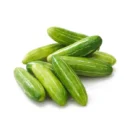
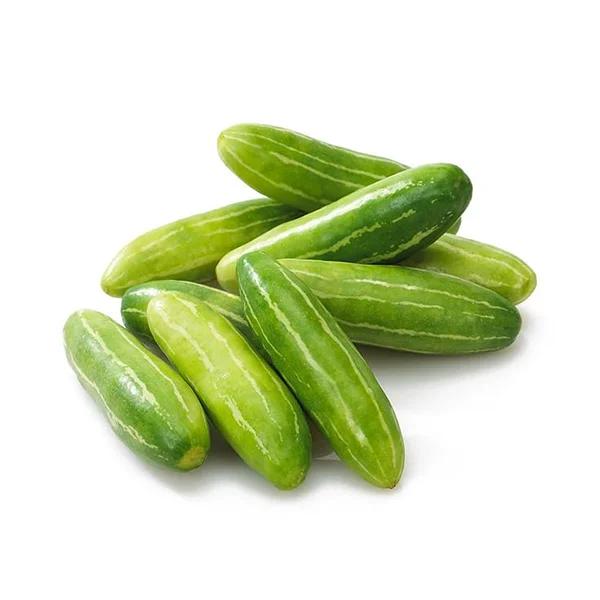
Ivy gourd (Coccinia grandis), locally known as Kunduli, Kundru, or Tindora, is a small, green, elongated vegetable that belongs to the cucumber family (Cucurbitaceae). It has smooth, shiny skin and a crisp, juicy interior with small, edible seeds. When tender, the fruit is light green and mildly flavored; when mature, it turns red and becomes soft and slightly sweet. Ivy gourd is valued for its delicate taste, versatility, and nutritional benefits. It is widely used in Indian and Southeast Asian cuisines, particularly in stir-fries, curries, and pickles. Its tender texture and subtle flavor make it a popular everyday vegetable in many households.
Growing Method
Ivy gourd is a vigorous perennial vine that thrives in warm, tropical, and subtropical climates. It grows best in well-drained, fertile soil with a neutral to slightly acidic pH (6.0–7.0) and requires full sunlight for optimal growth. The plant is usually propagated through stem cuttings rather than seeds, as this ensures faster and more uniform growth. It needs a trellis or support for climbing and regular pruning to control spread and encourage fruiting. Ivy gourd requires consistent watering but should not be waterlogged. Fruits can be harvested 3–4 months after planting, once they reach 3–5 cm in length and are still green and tender.
Nutritional Value
Ivy gourd is low in calories but rich in essential nutrients such as vitamins A and C, beta-carotene, and minerals like iron and calcium. It is also a good source of dietary fiber and antioxidants, which promote digestion and help manage blood sugar levels. Traditional medicine values ivy gourd for its potential role in regulating glucose metabolism, making it a beneficial vegetable for diabetic diets. Its nutritional profile supports healthy skin, immunity, and overall metabolic balance.
Culinary Use
Ivy gourd is a versatile vegetable that can be cooked in many ways. It can be sautéed, stir-fried, curried, or pickled. In Indian cooking, it is often prepared with spices, onions, and coconut, or combined with lentils and other vegetables. It pairs well with cumin, mustard seeds, turmeric, garlic, and curry leaves. When lightly fried, it retains a pleasant crunch and mild flavor. In Thai and Indonesian cuisines, ivy gourd is sometimes added to soups and stews for texture and nutrition. Its tender green fruits are preferred for cooking, as mature red ones become mushy and overly sweet.
Storage & Care
Fresh ivy gourds should be stored in a cool, dry place or in the refrigerator’s vegetable drawer. When kept in a perforated plastic bag or wrapped in paper, they can stay fresh for 4–6 days. Avoid washing before storage, as excess moisture accelerates spoilage. Overripe fruits, which turn red and soft, should be discarded. For extended use, ivy gourd can be blanched and frozen or preserved as a spicy pickle in oil or vinegar. Proper storage helps maintain its crisp texture and mild, refreshing flavor.