
Description
Description
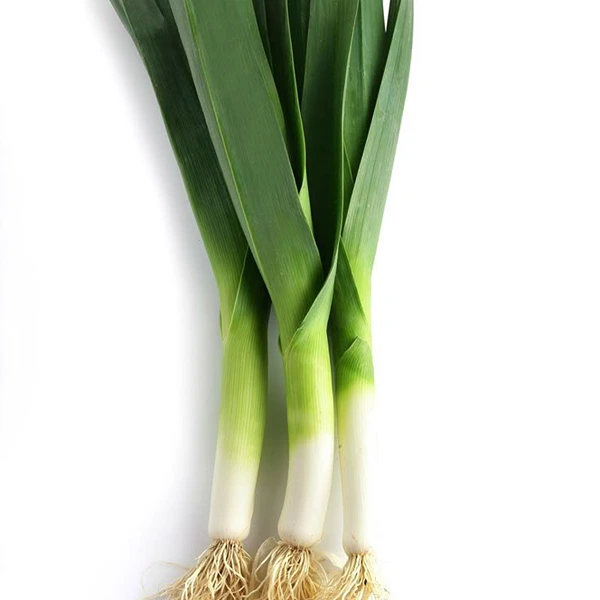
Leek (Allium ampeloprasum var. porrum) is a mild, sweet-tasting vegetable belonging to the onion family (Alliaceae). It has a long, cylindrical shape with white stalks that gradually turn green toward the leafy tops. The edible portion is the tender white and light green stem, which offers a delicate onion-like flavor without the sharpness of garlic or onions. When cooked, leeks become soft, creamy, and subtly sweet, adding depth and aroma to soups, stews, and casseroles. Popular in European and Mediterranean cuisines, leeks are prized for their flavor, texture, and nutritional value, making them a versatile addition to a variety of dishes.
Growing Method
Leeks grow best in cool, temperate climates and thrive in well-drained, fertile soil rich in organic matter. They prefer slightly acidic to neutral soil with a pH between 6.0 and 7.0. Seeds are usually sown in trays or seedbeds and transplanted when the seedlings are about 15–20 cm tall. The plants are spaced apart to allow for proper growth and are often “earthed up” or mounded with soil around the stems to promote long, white, tender stalks. Leeks require consistent moisture and full sunlight throughout their growing period. The crop takes about 4–5 months to mature and can be harvested once the stems reach a usable thickness.
Nutritional Value
Leeks are low in calories but packed with essential nutrients. They are a good source of vitamins A, C, and K, as well as folate, manganese, and dietary fiber. They also contain antioxidants such as polyphenols and flavonoids, which help protect the body from oxidative stress and support heart health. The sulfur compounds present in leeks contribute to their mild aroma and may promote healthy digestion and immunity. Due to their high water and fiber content, leeks are excellent for maintaining hydration and supporting digestive health.
Culinary Use
Leeks are known for their mild, sweet onion flavor and are used in a variety of savory dishes. They can be sautéed, braised, roasted, grilled, or added to soups and stews. One of the most famous dishes featuring leeks is the classic potato leek soup. They are also commonly used in quiches, pies, risottos, and pasta dishes. When cooked slowly, leeks develop a buttery texture and rich flavor that complements eggs, potatoes, poultry, seafood, and creamy sauces. The tough green tops can be used to flavor stocks and broths. Before cooking, leeks should be thoroughly washed to remove any soil trapped between their layers.
Storage & Care
Fresh leeks should be stored in the refrigerator, preferably unwashed and wrapped loosely in plastic or paper to retain moisture. They can stay fresh for about 7–10 days. Cut or trimmed leeks should be used within a few days. Avoid storing them near foods with strong odors, as leeks can easily absorb other smells. For long-term storage, leeks can be sliced, blanched, and frozen. Alternatively, they can be dried or used to make vegetable stock. Proper handling and storage help maintain their mild flavor and crisp texture.