
Description
Description
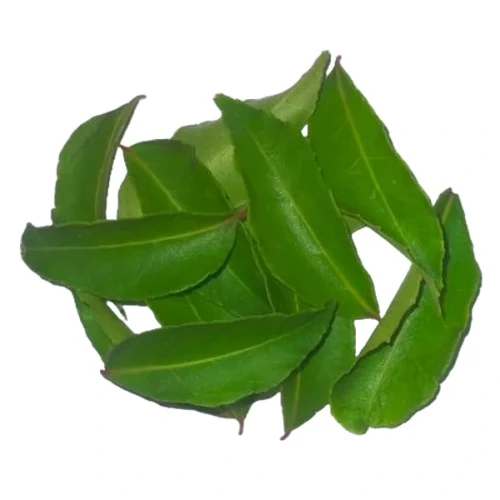
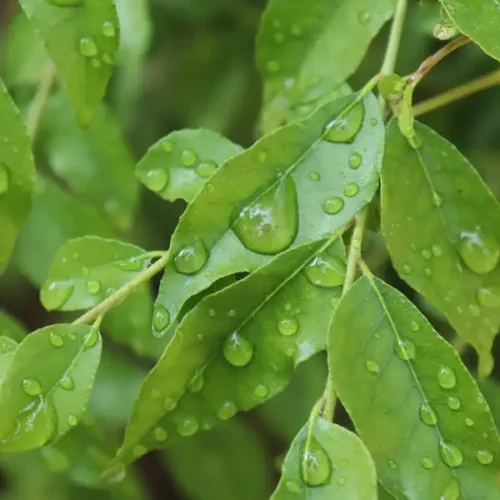
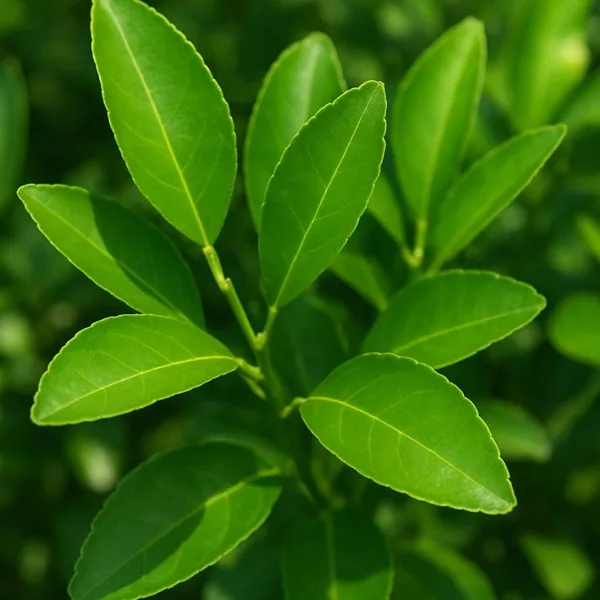
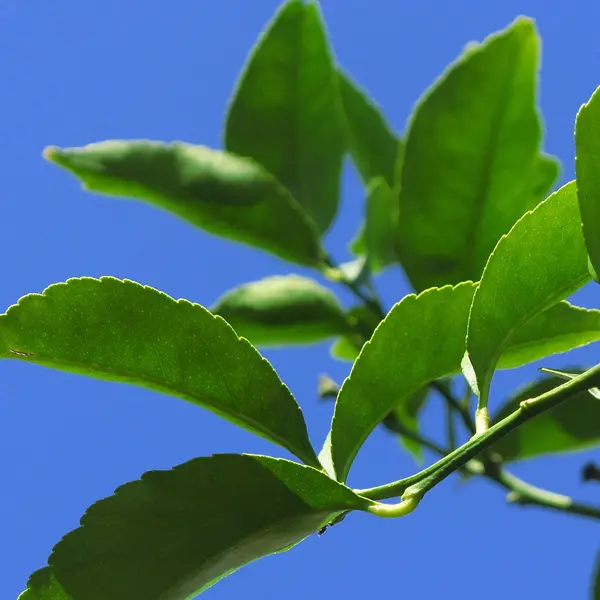
Lemon leaves are the glossy, deep green foliage of the lemon tree (Citrus limon), prized for their fresh, citrusy aroma and subtle lemon flavor. The leaves are elliptical to oval in shape with a slightly leathery texture and a pointed tip. While not commonly eaten whole, they are widely used to infuse dishes with a delicate citrus fragrance, especially in Southeast Asian, Mediterranean, and Indian cuisines. Lemon leaves offer a natural, aromatic way to enhance the flavor of both sweet and savory preparations and are sometimes used as decorative garnishes or natural wrappers in traditional cooking.
Growing Method
Lemon trees thrive in warm, sunny climates and are grown from seeds, grafted saplings, or cuttings. They prefer well-drained, loamy soil with a slightly acidic to neutral pH (5.5–7.0) and require full sun exposure for at least 6–8 hours a day. Regular watering is essential, especially during dry periods, but the soil should not remain soggy. Pruning helps maintain the tree’s shape and encourages healthy leaf growth. Lemon trees can be grown in the ground or in large containers, making them suitable for both orchard and home garden cultivation. Leaves can be harvested as needed, ideally from mature, healthy branches.
Nutritional Value
Lemon leaves contain trace amounts of vitamins A and C, and are rich in aromatic essential oils such as limonene and citronellal, which have antibacterial, antifungal, and calming properties. While not typically consumed in large quantities, infusions made from lemon leaves are used in traditional remedies to support digestion, relieve anxiety, and promote relaxation. The leaves’ antioxidant compounds contribute to their mild therapeutic value and pleasant, soothing fragrance.
Culinary Use
Lemon leaves are primarily used for their aromatic properties in cooking. They are often added whole to soups, stews, curries, and teas to impart a subtle lemony essence and then removed before serving. In grilling and baking, the leaves may be used as natural wrappers for fish, chicken, or rice, gently infusing the food with their citrus aroma. Finely chopped or crushed leaves can be added to marinades or used to flavor desserts, syrups, and infusions. Lemon leaves pair well with herbs like basil, mint, and thyme, as well as with ginger, garlic, and chili in savory dishes.
Storage & Care
Fresh lemon leaves should be stored unwashed in the refrigerator, wrapped in a damp paper towel inside a breathable plastic bag or container. They can stay fresh for up to 1–2 weeks if kept cool and hydrated. For longer storage, lemon leaves can be air-dried or frozen whole. Dried leaves should be stored in an airtight container in a cool, dark place, although their flavor is more subtle than when fresh. Rinse leaves gently before use, and discard any that show signs of yellowing, drying, or mold.