
Description
Description
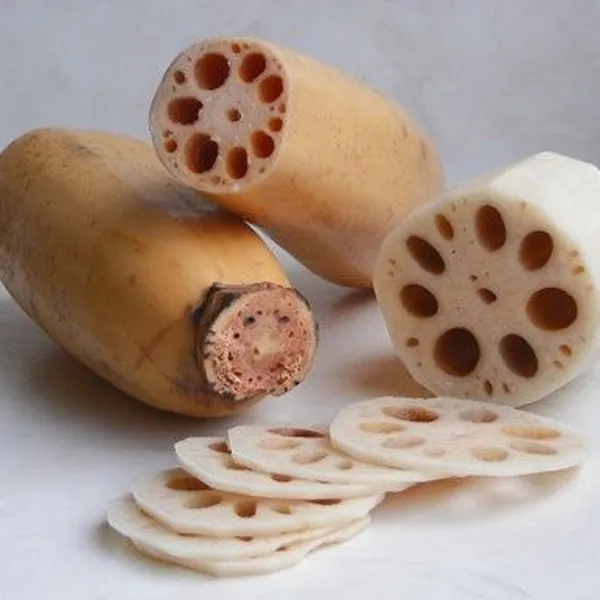
Lotus stem (Nelumbo nucifera), also known as Kamal Kakdi or Nadru, is the edible rhizome of the lotus plant. It is long, cylindrical, and segmented, with a crunchy texture and a mildly sweet, earthy flavor. When sliced crosswise, the stem reveals a beautiful pattern of hollow air canals, giving it an attractive appearance in dishes. Lotus stem is a popular ingredient in Indian, Chinese, and Southeast Asian cuisines, used in curries, stir-fries, soups, and pickles. It retains a pleasant crunch even after cooking and absorbs flavors well, making it both a nutritious and decorative addition to meals.
Growing Method
Lotus stem grows naturally in shallow ponds, lakes, and slow-moving rivers. It thrives in warm, tropical, and subtropical climates. The plant is cultivated in water bodies with a depth of about 1–2 meters and soil that is rich in organic matter. Lotus is propagated through its rhizomes, which are planted horizontally in the muddy soil at the bottom of the pond. It requires full sunlight and warm temperatures for healthy growth. The stems are ready for harvest about 4–6 months after planting, once they reach a suitable thickness. They are carefully extracted from the mud to prevent damage and then cleaned thoroughly before use.
Nutritional Value
Lotus stem is rich in dietary fiber, vitamin C, and several essential minerals such as potassium, iron, copper, and manganese. It is low in calories and fat, making it a healthy choice for weight management. The high fiber content aids digestion and promotes gut health, while the potassium helps regulate blood pressure. Lotus stem also contains antioxidants that support immune function and protect the body from oxidative stress. Its nutrient profile makes it a wholesome vegetable that contributes to heart health, energy balance, and overall well-being.
Culinary Use
Lotus stem is prized for its crisp texture and ability to absorb spices and sauces. It can be cooked in various ways—boiled, stir-fried, pickled, or deep-fried. In Indian cuisine, it is commonly prepared as Kamal Kakdi curry, Nadru Yakhni, or crispy lotus stem chips. In Chinese cooking, it is often stir-fried with vegetables or used in soups for its crunch and sweetness. Lotus stem pairs well with bold spices like cumin, turmeric, chili, and garlic. It can also be blanched and added to salads or cooked with lentils for added texture and nutrition.
Storage & Care
Fresh lotus stems should be kept in a cool, dry place or refrigerated to maintain their crispness. They can last for up to 4–5 days when stored in a perforated plastic bag or wrapped in damp cloth. Before cooking, the outer skin should be peeled, and the stem sliced and soaked in water with a little vinegar or lemon juice to prevent discoloration. Cooked lotus stem can be refrigerated for up to two days. For longer storage, lotus stem can be blanched and frozen or pickled in vinegar and spices. Proper cleaning and storage help preserve its taste, texture, and visual appeal.