
Description
Description
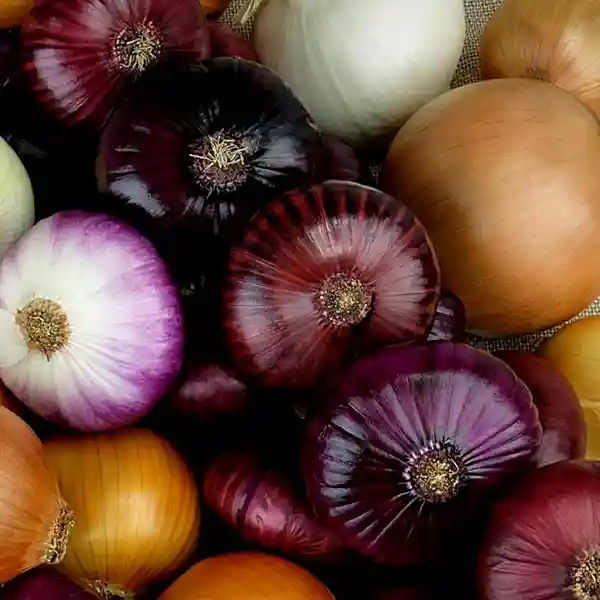
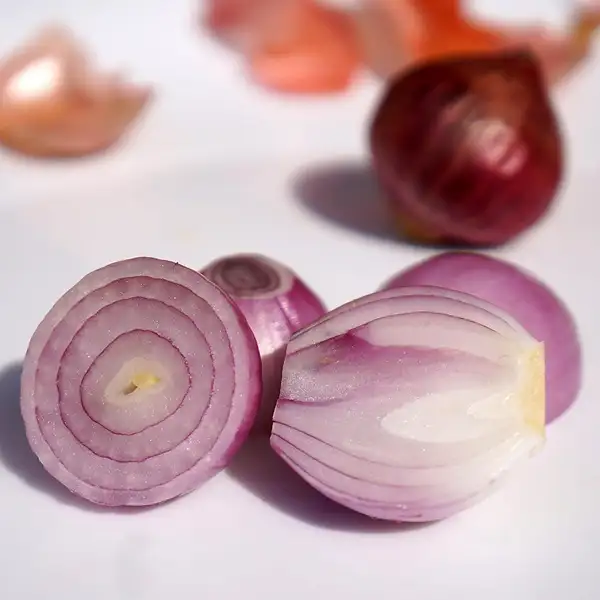
Peeled onion reveals smooth, glossy layers ranging in color from white and pale yellow to deep red or purple, depending on the variety. Its aroma is sharp and pungent when raw, often bringing tears to the eyes due to sulfur compounds, while its flavor ranges from assertively spicy to mildly sweet. When cooked, onions transform dramatically—softening in texture and developing a rich, mellow sweetness with a savory depth that enhances countless dishes. The interior is crisp, juicy, and layered concentrically, making it easy to slice, dice, or chop for both raw and cooked applications. Onions serve as a foundational ingredient across global cuisines, bringing balance, aroma, and body to dishes.
Growing Method
Onions grow best in full sun with loose, fertile, and well-drained soil that retains moisture without becoming soggy. Typically propagated from sets, seeds, or transplants, onions require a long, cool growing season to establish foliage, followed by warmer temperatures to bulb. Planting is often done in early spring, with harvest occurring in late summer once the tops have yellowed and fallen over. Good air circulation, consistent weeding, and regular watering are essential for healthy development. Sustainable practices like crop rotation, organic composting, and companion planting with carrots or herbs help deter pests and diseases while supporting soil health.
Nutritional Value
Onions are low in calories but packed with nutrients, particularly vitamin C, vitamin B6, folate, potassium, and manganese. They are also a good source of dietary fiber and powerful antioxidants, especially quercetin, which has anti-inflammatory and heart-protective properties. Onions support immune function, improve blood sugar regulation, and promote cardiovascular health. The sulfur compounds responsible for their pungency, such as allicin, offer antimicrobial benefits and may help reduce cholesterol and blood pressure. Raw onions also support digestion and have prebiotic effects that nourish beneficial gut bacteria.
Culinary Use
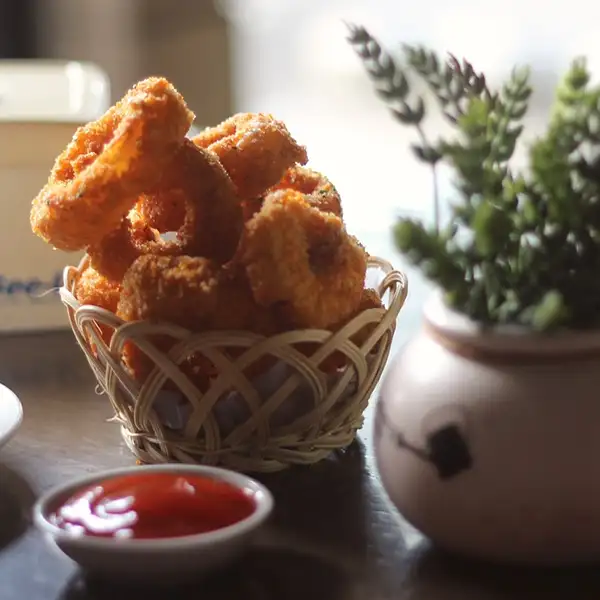
Peeled onions are incredibly versatile and used raw, sautéed, caramelized, roasted, grilled, or pickled in dishes across every cuisine. Raw, they bring sharpness and crunch to salads, sandwiches, salsas, and chutneys. When sautéed or caramelized, they become soft and sweet, forming the base of soups, stews, sauces, and stir-fries. Onions can be stuffed and baked, deep-fried into rings, blended into purees, or simmered into broths. In Indian cooking, they’re a key base for curries and gravies, while in Mediterranean and Western cuisines, they appear in everything from French onion soup to pasta sauces and savory pies.
Storage & Care
Peeled onions should be stored in an airtight container in the refrigerator and used within 7 to 10 days for optimal freshness. They are highly perishable once the skin is removed, so avoid excess moisture to prevent spoilage. Sliced or chopped onions can be frozen, though they may lose some texture upon thawing, making them best suited for cooked applications. Whole unpeeled onions should be kept in a cool, dry, and well-ventilated space away from potatoes, which can accelerate spoilage. Avoid storing peeled onions in open air, as they can absorb odors and dry out quickly.