
Description
Description
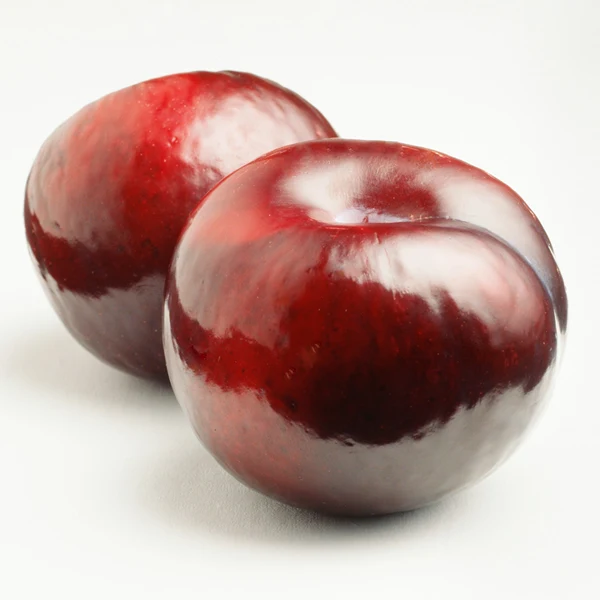
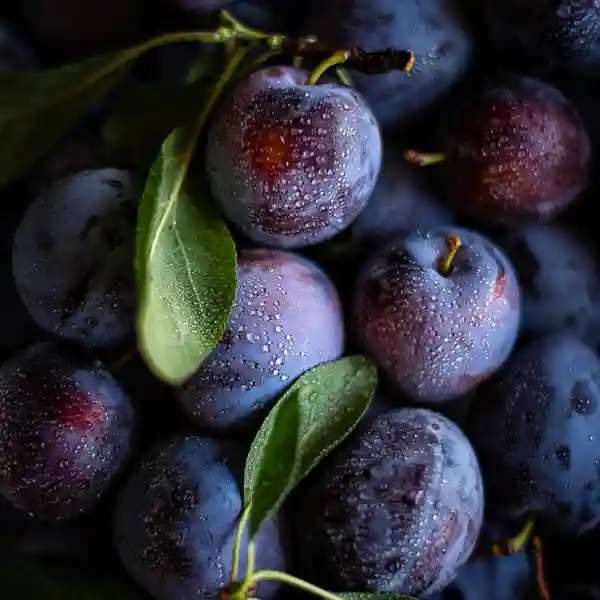
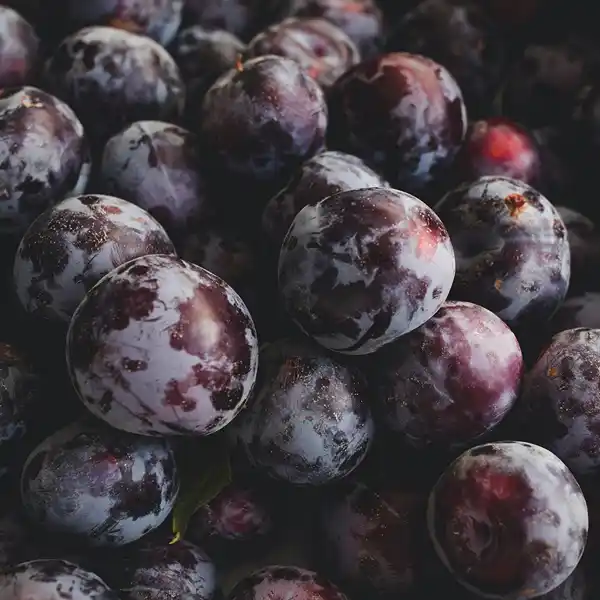
Plum is a small, round to oval-shaped stone fruit known for its smooth skin, juicy flesh, and delightful balance of sweetness and tanginess. Depending on the variety, its skin may be deep purple, red, yellow, green, or black, while the flesh ranges from golden yellow to vibrant red. The fruit has a soft, succulent texture surrounding a single hard seed at the center. Ripe plums are aromatic, refreshing, and naturally flavorful, making them a popular choice for fresh consumption as well as culinary preparations. Their bright color, rich taste, and juicy bite make plums one of the most enjoyed seasonal fruits around the world.
Growing Method
Plum trees are deciduous fruit trees that thrive in temperate climates with cool winters and warm summers. They grow best in fertile, well-drained loamy soil with full sunlight for at least 6 to 8 hours daily. Plums are commonly propagated through grafting onto suitable rootstocks to ensure healthy growth and consistent fruit quality. Regular irrigation, balanced fertilization, annual pruning, and proper pest management help maintain tree vigor and improve fruit production. The trees bloom in early spring with attractive white or pink flowers, followed by fruit development. Plums are harvested when they develop their characteristic color, become slightly soft to the touch, and attain full flavor.
Nutritional Value
Plums are low in calories and rich in water, making them a refreshing and nutritious fruit. They are an excellent source of vitamin C, vitamin K, vitamin A, dietary fiber, potassium, and antioxidants such as anthocyanins and polyphenols. These nutrients help support immunity, heart health, healthy digestion, and skin wellness. The fiber content promotes digestive health and helps maintain regular bowel movements, while antioxidants protect the body’s cells from oxidative stress. Plums also contain natural sugars that provide quick energy and contribute to a balanced, healthy diet.
Culinary Use
Plums are widely enjoyed fresh as a healthy snack due to their naturally sweet and tangy flavor. They are also used in fruit salads, smoothies, juices, desserts, jams, jellies, sauces, and baked goods such as pies, tarts, cakes, and crumbles. Their rich flavor pairs well with yogurt, cheese, nuts, and cereals, while cooked plums are often incorporated into compotes, chutneys, and savory dishes. Dried plums, commonly known as prunes, are valued for their naturally sweet taste and digestive benefits. The fruit’s versatility makes it suitable for both sweet and savory recipes across many cuisines.
Storage & Care
Fresh plums should be stored at room temperature until they ripen fully. Once ripe, they should be refrigerated to maintain freshness and extend their shelf life. Ripe plums generally remain fresh for about 5 to 7 days when stored in the refrigerator. Avoid washing the fruit before storage, as excess moisture may lead to faster spoilage. Wash thoroughly just before eating or using in recipes. Cut plums should be stored in airtight containers in the refrigerator and consumed within 2 to 3 days. For long-term storage, plums can be sliced, pitted, and frozen, preserving much of their flavor and nutritional value for later use.