
Description
Description
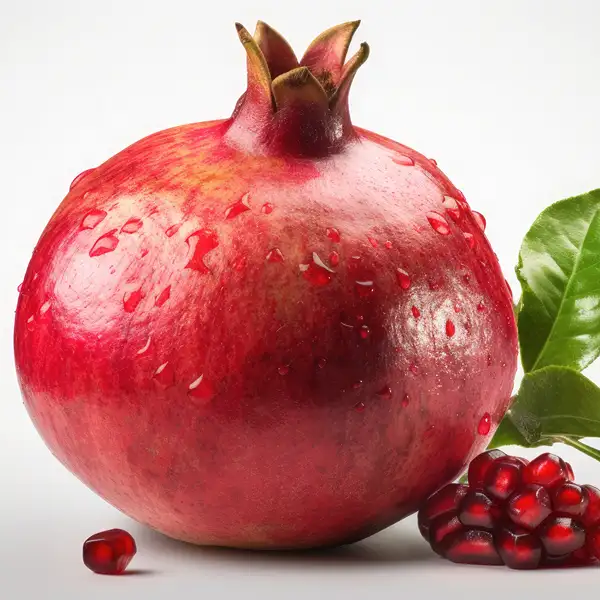
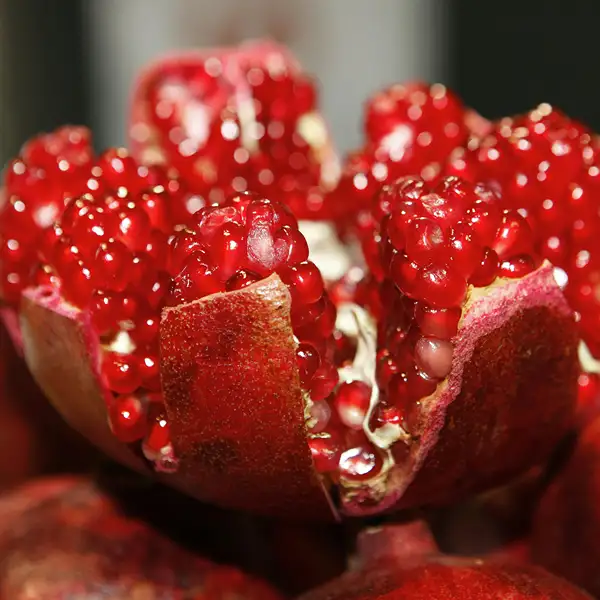
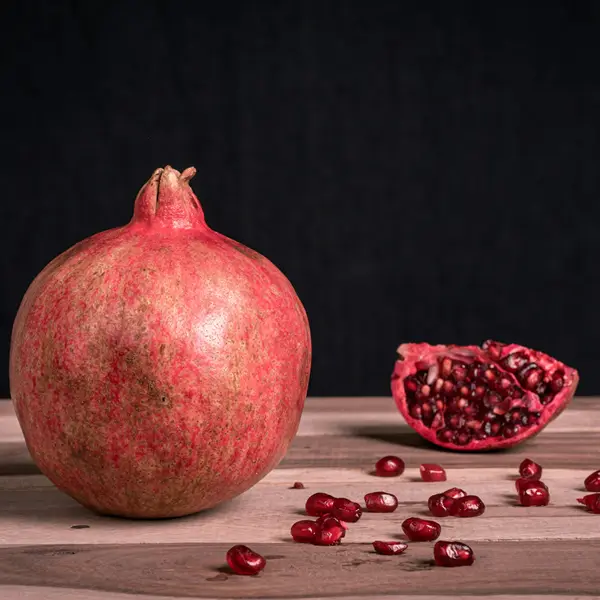
Pomegranate (Punica granatum) is a round fruit with a tough, leathery red or pink outer rind and jewel-like, juicy seeds called arils inside. Each aril contains sweet-tart juice and a crunchy seed, offering a refreshing burst of flavor. Known for its vibrant color and health benefits, pomegranate is enjoyed fresh, juiced, or used as a garnish in a wide range of dishes. Its rich, tangy-sweet taste and visual appeal make it a favorite in both traditional and modern cuisine.
Growing Method
Pomegranate trees thrive in hot, dry climates with full sun and well-drained soil. They are drought-tolerant and require minimal care once established. Propagation is typically done through cuttings. Trees begin bearing fruit within 2–3 years, with harvest season in late summer to early winter. Proper pruning and occasional deep watering promote healthy growth and fruit production.
Nutritional Value
Pomegranates are rich in antioxidants, especially punicalagins and anthocyanins, which help fight inflammation and protect heart health. They are an excellent source of vitamin C, vitamin K, potassium, and fiber. Regular consumption supports immune function, digestion, and may help reduce blood pressure and cholesterol levels.
Culinary Use
Pomegranate arils are enjoyed fresh, added to salads, yogurt, desserts, or used as a garnish for both sweet and savory dishes. Pomegranate juice is popular in beverages, sauces, and marinades. The fruit pairs well with mint, citrus, nuts, and meats, and is commonly used in Middle Eastern, Mediterranean, and Indian cuisines.
Storage & Care
Whole pomegranates can be stored at room temperature for about a week or in the refrigerator for up to a month. Once opened, arils should be stored in an airtight container in the refrigerator and consumed within 3–5 days. Pomegranate seeds can also be frozen for longer storage without losing their quality.