
Description
Description
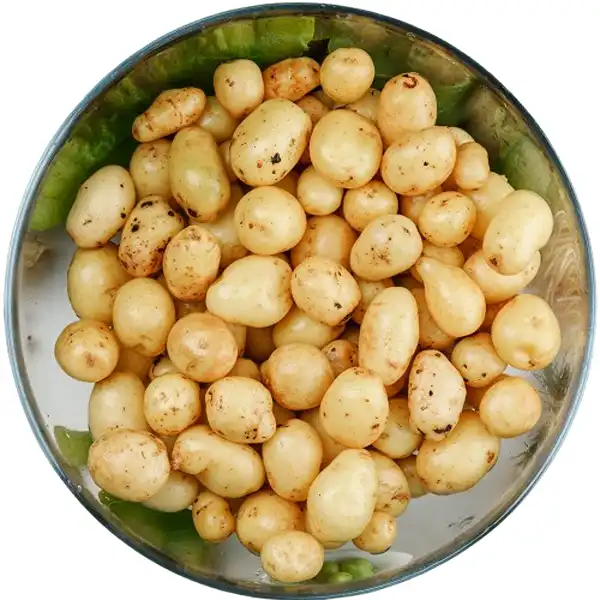
Baby potatoes are small, immature potatoes harvested before they reach full size. They typically measure 1 to 2 inches in diameter and come in a variety of colors and types, including red, yellow, white, and purple-skinned varieties. Their flesh is creamy and tender with a naturally buttery, subtly sweet flavor. Unlike mature potatoes, baby potatoes have thin, delicate skins that do not require peeling, and their compact size and smooth texture make them ideal for quick cooking. They are favored for their aesthetic appeal, uniform size, and ability to absorb flavors, making them a popular choice in both rustic and refined dishes.
Growing Method
Baby potatoes are grown just like regular potatoes but are harvested earlier in the growing cycle, typically 50–70 days after planting, when the tubers are still small and tender. They are cultivated from seed potatoes in well-drained, loose soil enriched with organic matter. Full sun and consistent watering are essential for optimal growth. As the plants grow, soil is gradually mounded around the stems to protect developing tubers from sunlight. Early harvesting is done carefully by hand to avoid damaging the delicate skins. Because of their shorter growing period, baby potatoes are often planted as an early-season crop or in succession plantings for extended harvests.
Nutritional Value
Baby potatoes offer the same nutritional benefits as mature potatoes but with a slightly higher concentration of certain nutrients due to their lower water content. They are a good source of complex carbohydrates, fiber, and essential minerals like potassium, magnesium, and iron. They also provide vitamin C, vitamin B6, and antioxidants, especially when eaten with the skin. Low in fat and naturally cholesterol-free, baby potatoes can be part of a healthy diet when prepared without excessive fats or oils. Their smaller size also means better portion control and faster cooking times, which helps retain more nutrients during preparation.
Culinary Use
Baby potatoes are prized for their tender texture and quick cooking time. They can be boiled, steamed, roasted, sautéed, or grilled whole, often with the skin left on. Their small size makes them ideal for serving whole in side dishes, salads, or skewers. When roasted or pan-fried, their skins become crisp while the inside stays soft and buttery. They pair well with herbs like rosemary, thyme, parsley, and dill, and absorb seasonings and dressings easily. Baby potatoes are often used in dishes like potato salads, tray bakes, and buttered or spiced potato sides, and they also shine in Indian, Mediterranean, and European-style preparations.
Storage & Care
Baby potatoes should be stored in a cool, dark, and well-ventilated space, away from moisture and sunlight to prevent sprouting and spoilage. Because their skins are thinner than those of mature potatoes, they are more perishable and typically last 1–2 weeks under proper conditions. Do not wash them before storage, as excess moisture can lead to rot. If refrigerating for short-term storage, place them in a breathable bag or perforated container to avoid condensation. Wash gently before cooking, and trim away any green spots or sprouts. For best flavor and texture, baby potatoes should be used while still firm and fresh.