
Description
Description
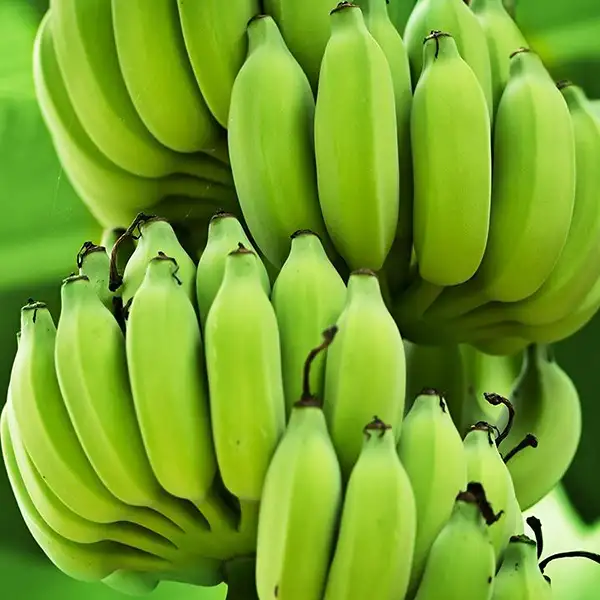
Raw banana (Musa paradisiaca), also known as green banana or plantain, is the unripe form of the banana fruit. It has a thick green skin and firm, starchy flesh with a mild, earthy flavor. Unlike ripe bananas, raw bananas are not sweet and are mainly used as a vegetable in cooking. When cooked, they develop a soft yet dense texture, similar to potatoes, and easily absorb spices and seasonings. Raw banana is a popular ingredient in Indian, Southeast Asian, and African cuisines, used in curries, stir-fries, snacks, and chips. Its versatility, nutritional benefits, and neutral taste make it a staple in many traditional dishes.
Growing Method
Raw bananas grow on large perennial herbs that thrive in warm, humid, tropical climates. The plants prefer well-drained, fertile soil with a slightly acidic to neutral pH (5.5–7.0) and full sunlight. Propagation is done through suckers or tissue culture rather than seeds. Bananas require consistent watering and protection from strong winds. The plants take around 9–12 months to mature, after which bunches of bananas are harvested while still green. The fruits are carefully handled to avoid bruising and are used for cooking before they ripen.
Nutritional Value
Raw banana is rich in complex carbohydrates, dietary fiber, and essential minerals such as potassium, magnesium, and iron. It also provides vitamins B6 and C and contains resistant starch that supports gut health and helps control blood sugar levels. The high fiber content aids digestion and promotes satiety, making it beneficial for weight management. Unlike ripe bananas, raw bananas have a low glycemic index and are suitable for diabetic and heart-healthy diets. They are also known for their ability to strengthen the digestive system and provide sustained energy.
Culinary Use
Raw banana is a versatile cooking ingredient used in both vegetarian and non-vegetarian dishes. It can be boiled, steamed, fried, or curried. In Indian cuisine, it is commonly used to prepare dishes like raw banana curry, banana kofta, banana cutlets, and stir-fried poriyal. Thinly sliced raw bananas are also deep-fried into crispy banana chips. It pairs well with coconut, mustard seeds, turmeric, and curry leaves. In South Indian and Sri Lankan cuisines, raw banana is often combined with spices and coconut to make flavorful side dishes. When boiled and mashed, it can also serve as a gluten-free alternative to mashed potatoes.
Storage & Care
Raw bananas should be stored at room temperature in a cool, dry place away from direct sunlight. They can last for about 4–5 days before beginning to ripen. To slow ripening, they can be wrapped in a paper or cloth and kept in a ventilated basket. Avoid refrigerating raw bananas, as cold temperatures cause blackening of the skin and affect texture. Peeled or cut bananas should be soaked in salted water to prevent discoloration if not used immediately. Cooked raw banana dishes can be refrigerated and consumed within two days. Proper handling preserves their freshness and starchy flavor.