
Description
Description
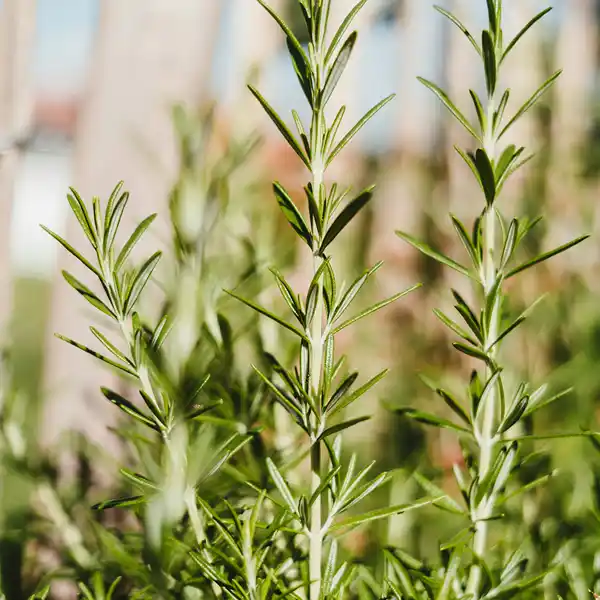
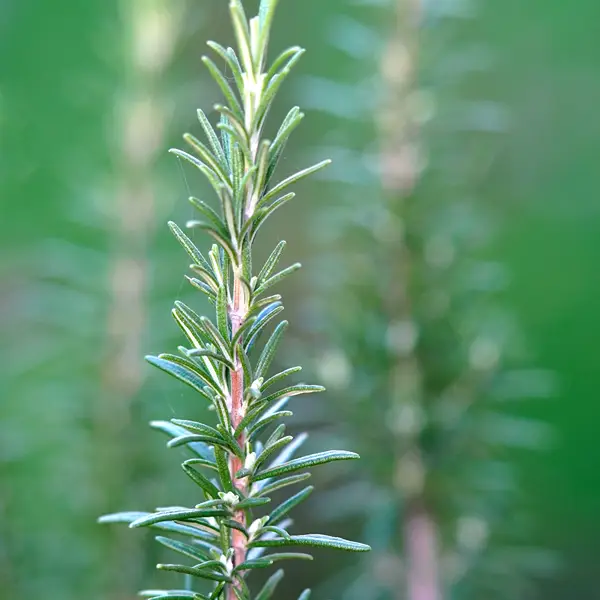
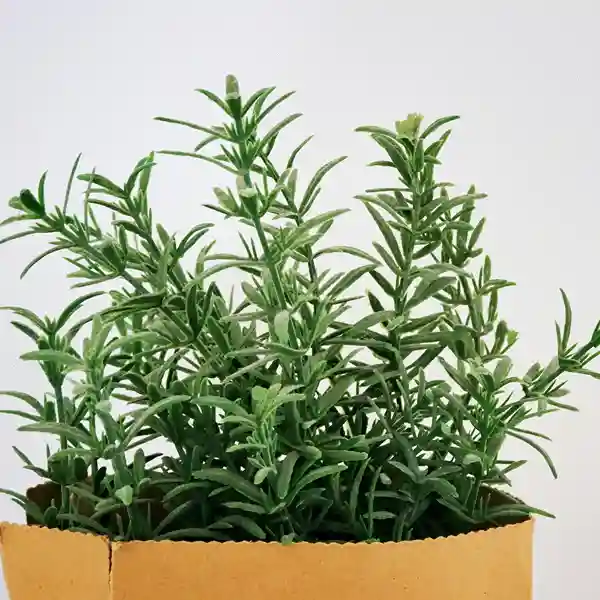
Rosemary (Salvia rosmarinus) is a highly aromatic, evergreen herb with needle-like leaves and a distinctive pine-like fragrance. Its flavor is bold and earthy, with slightly bitter, woody, and citrusy undertones, making it a robust seasoning in a wide range of savory dishes. The leaves are dark green on top and silver-gray underneath, growing densely along stiff, upright stems. Native to the Mediterranean region, rosemary is a staple in both traditional and modern cuisines and is prized not only for its culinary uses but also for its ornamental beauty and medicinal properties.
Growing Method
Rosemary thrives in warm, sunny environments with well-draining soil and low to moderate water needs. It prefers slightly alkaline soil and benefits from full sun exposure for at least 6–8 hours a day. Rosemary can be grown from seeds, cuttings, or nursery transplants, and it performs well in garden beds, pots, or containers. The plant is drought-tolerant once established and requires minimal maintenance aside from occasional pruning to encourage bushy growth and prevent woodiness. In cooler climates, it can be brought indoors during winter or grown as a perennial in pots.
Nutritional Value
Rosemary is used in small quantities but offers several health-promoting compounds. It is rich in antioxidants such as rosmarinic acid, carnosic acid, and carnosol, which help combat inflammation and oxidative stress. It also contains small amounts of vitamins A, C, and B6, as well as calcium, iron, and potassium. Traditionally, rosemary has been used to support digestion, enhance memory and concentration, and reduce stress. Its essential oils are valued in aromatherapy for their uplifting and antimicrobial effects.
Culinary Use
Rosemary’s bold flavor complements a variety of savory ingredients, particularly roasted meats, poultry, potatoes, vegetables, and breads. It can be used fresh or dried, and is often added to stews, marinades, stuffings, and sauces. Whole sprigs are frequently used to infuse flavor during cooking and then removed before serving, while chopped leaves can be sprinkled directly into recipes. Rosemary also works well with olive oil, garlic, lemon, and wine-based reductions, making it a key herb in Mediterranean, Italian, and French cuisines. It’s also used to flavor infused oils, vinegar, and even cocktails or baked goods.
Storage & Care
Fresh rosemary should be wrapped in a damp paper towel and stored in a breathable bag in the refrigerator, where it can stay fresh for up to 1–2 weeks. For longer storage, rosemary can be air-dried or frozen. Dried rosemary should be kept in an airtight container in a cool, dark place and used within 6–12 months for optimal flavor. When drying at home, hang sprigs upside down in a warm, dry area with good airflow. Crush dried leaves before use to release their essential oils.