

Description
Description
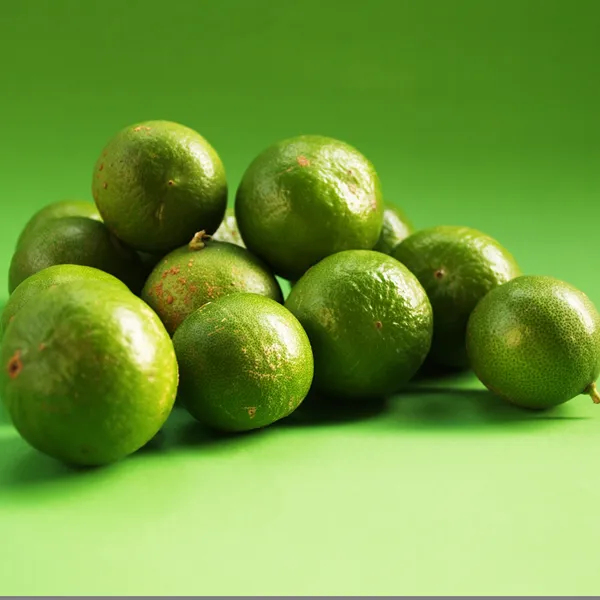
Round lemon, commonly known as kagzi nimbu in India, is a small, spherical citrus fruit prized for its tangy flavor and high vitamin C content. It has a smooth, thin, yellow to greenish-yellow rind and juicy, pulpy flesh divided into segments. Known for its sharp acidity and refreshing aroma, round lemon is a key ingredient in Indian kitchens, used in drinks, pickles, chutneys, and as a flavor enhancer in countless savory dishes. Its juice is both a natural preservative and a digestive aid.
Growing Method
Round lemon trees are hardy, evergreen plants that thrive in tropical and subtropical climates. They prefer well-drained, sandy-loam soil rich in organic matter. Propagation is typically done through seeds or grafting. These trees require full sunlight and regular watering, especially during dry spells. With proper care, they start fruiting within 2–3 years and can yield fruit year-round, although peak harvesting occurs in summer and monsoon seasons.
Nutritional Value
Round lemons are an excellent source of vitamin C, a powerful antioxidant that boosts immunity, aids in collagen formation, and enhances iron absorption. They also contain small amounts of vitamin B6, potassium, flavonoids, and citric acid, which helps prevent kidney stones. Low in calories, lemon juice supports hydration, digestion, and skin health. Its alkalizing effect is beneficial for pH balance and detoxification.
Culinary Use
Round lemons are widely used for their juice and zest. In Indian cuisine, they are essential for making lemon water (nimbu pani), lemon rice, pickles (achar), and chutneys. Fresh juice is squeezed over chaats, curries, dals, and fried snacks to enhance flavor. They are also used in marinades, salad dressings, and beverages like lemonade and herbal teas. Their sharp acidity pairs well with salt, sugar, herbs, and spices.
Storage & Care
Store round lemons in a cool, dry place for up to a week. For extended freshness, refrigerate them in a perforated bag or airtight container in the vegetable crisper — they last 2–3 weeks. Avoid moisture buildup to prevent molding. Juice can be stored in a sealed glass jar in the refrigerator for a few days or frozen in ice cube trays for long-term use. Lemons can also be preserved as salted or pickled slices.