
Description
Description
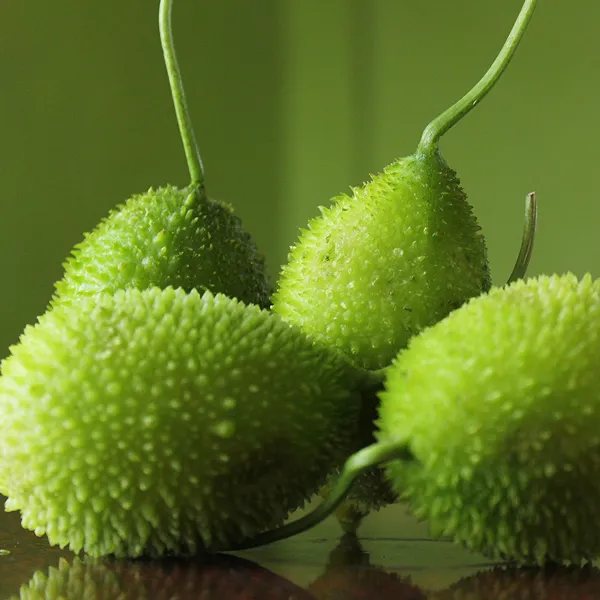
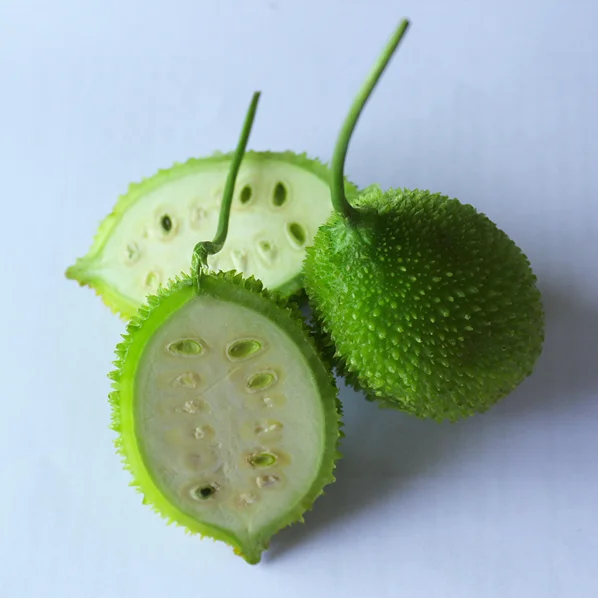
Bhat Kerela, also known as Spiny Gourd or Teasel Gourd, is a small green vegetable covered with soft spines and known for its mildly bitter yet earthy flavor. Its outer skin is firm and textured, while the inner flesh remains soft and slightly crunchy when cooked. The taste is gentler and less bitter than regular bitter gourd, making it more appealing in various traditional dishes. When cooked, Bhat Kerela develops a rich aroma and absorbs spices beautifully, giving dishes a comforting and savory flavor. Its texture remains tender yet slightly crisp, making it a popular seasonal vegetable in many tropical regions.
Growing Method
Bhat Kerela is a warm-season climbing vegetable that grows best in tropical and subtropical climates with fertile, well-drained soil and plenty of sunlight. It is commonly grown from seeds or root tubers and requires support structures like trellises or bamboo frames for proper vine growth. The plant spreads rapidly during warm weather and begins producing fruits within a few months after planting. Regular watering during the early growth stage promotes healthy vines and flowering, while moderate watering later helps proper fruit development. Occasional weeding and organic fertilization improve yield and plant health. Harvesting is usually done when the fruits are green, tender, and fully developed before they become overly mature.
Nutritional Value
Bhat Kerela is highly nutritious and rich in dietary fiber, vitamins, minerals, and antioxidants that support overall health. It contains vitamin C, vitamin A, iron, calcium, potassium, and essential phytonutrients that help strengthen immunity and improve digestion. The vegetable is low in calories and supports healthy metabolism while providing natural energy. Its antioxidant compounds help reduce oxidative stress and inflammation in the body. The fiber content promotes gut health and helps maintain healthy blood sugar levels, making it a beneficial addition to balanced diets.
Culinary Use
Bhat Kerela is widely used in traditional cuisines because of its unique texture and mildly bitter flavor. It can be stir-fried, deep-fried, stuffed, sautéed, boiled, or added to curries and mixed vegetable dishes. In many households, it is cooked with spices, onions, garlic, potatoes, or lentils to create flavorful savory dishes. Crispy fried Bhat Kerela is especially popular as a snack or side dish due to its crunchy texture. Its mild bitterness pairs well with spices like turmeric, cumin, chili, coriander, and mustard seeds. The vegetable is also sometimes pickled or added to seasonal recipes for its distinct taste and nutritional benefits.
Storage & Care
Fresh Bhat Kerela should be stored in a cool, dry place or refrigerated in perforated bags to maintain freshness and texture. It is best consumed within a few days after harvest, as the vegetable can lose moisture and softness over time. Avoid washing before storage because excess moisture may cause spoilage. When refrigerated properly, fresh Bhat Kerela can last around 4 to 7 days. Cooked Bhat Kerela should be stored in airtight containers inside the refrigerator and consumed within 2 to 3 days. For longer preservation, lightly cooked or blanched pieces can be frozen while retaining much of their flavor and texture.