
Description
Description
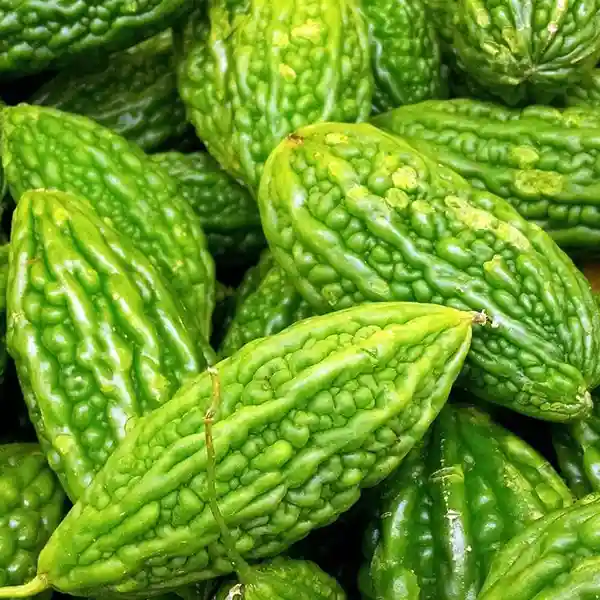
Bitter gourd (Momordica charantia), commonly known as bitter melon or tita kerela, is a tropical and subtropical vine belonging to the cucumber family (Cucurbitaceae). It is easily recognized by its warty, green exterior and distinctively bitter taste. The fruit varies in shape and size—from small and oval to long and tapered—depending on the variety. When young, the flesh is pale green and firm, with tender seeds; as it ripens, it turns yellow-orange and the bitterness increases. Despite its strong flavor, bitter gourd is prized in many Asian, African, and Caribbean cuisines for its nutritional value and unique taste, often used in stir-fries, soups, curries, and herbal teas.
Growing Method
Bitter gourd grows best in warm, sunny climates with well-drained, fertile soil rich in organic matter. It thrives in temperatures between 24–30°C (75–86°F) and prefers a soil pH of 6.0–6.7. Seeds are usually sown directly into the ground or started in seed trays and transplanted once seedlings are strong enough. The plant requires a sturdy trellis or support to climb, as it is a vigorous vine. Regular watering is essential, especially during fruit formation, but waterlogging should be avoided. Bitter gourd fruits are typically ready for harvest 60–70 days after planting, when they are still green and tender. Overripe fruits become overly bitter and less desirable for cooking.
Nutritional Value
Bitter gourd is low in calories but rich in essential nutrients, including vitamins C, A, and several B vitamins, as well as minerals like iron, potassium, and magnesium. It is also an excellent source of dietary fiber and contains bioactive compounds such as charantin, momordicin, and polypeptide-p, which are associated with blood sugar regulation. These compounds have made bitter gourd a traditional remedy for diabetes and metabolic health. It is also known for its antioxidant, anti-inflammatory, and immune-boosting properties, contributing to overall wellness.
Culinary Use
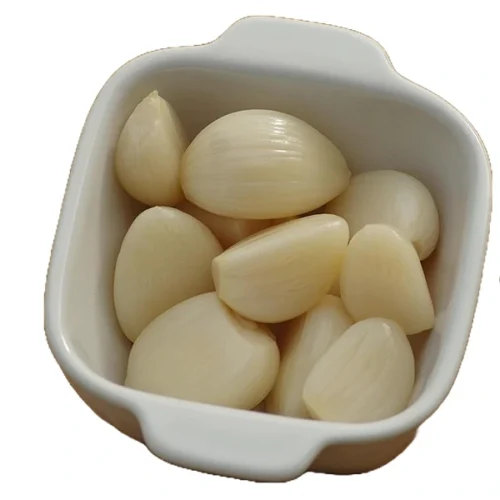
Despite its strong bitterness, bitter gourd is a versatile ingredient when prepared properly. Common cooking methods include stir-frying, boiling, stuffing, or stewing with meats, eggs, or other vegetables. Soaking sliced bitter gourd in salted water before cooking helps reduce its bitterness. It is often featured in Indian curries, Filipino dishes like ampalaya con carne, Chinese stir-fries, and South Asian pickles. Bitter gourd juice or tea is also consumed for its medicinal benefits. Pairing it with bold flavors such as garlic, chili, onion, or tamarind balances its natural bitterness.
Storage & Care
Fresh bitter gourds should be stored in a cool, dry place or in the refrigerator’s vegetable drawer, ideally wrapped in a paper towel and placed in a perforated plastic bag to retain freshness. They typically last 3–5 days when refrigerated. Avoid washing before storage, as moisture accelerates spoilage. Overripe gourds with yellow or orange skin and soft flesh should be discarded. For longer preservation, bitter gourd can be blanched and frozen, dried for later use in soups or teas, or pickled in vinegar and spices.