
Description
Description
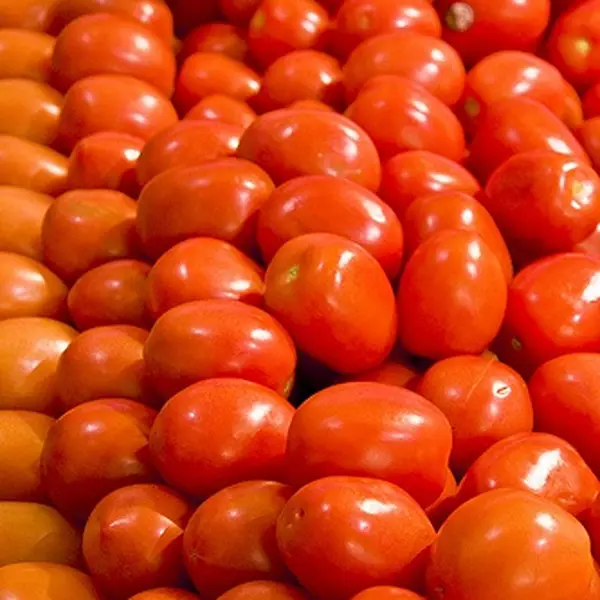
Tomatoes are vibrant, juicy fruits commonly treated as vegetables in culinary use. They come in a wide range of shapes, sizes, and colors—ranging from classic round red varieties to oblong yellow, green, orange, and even purple heirlooms. The flesh is tender and succulent, filled with edible seeds and encased in a smooth, glossy skin. Tomatoes have a balanced, mildly sweet and tangy flavor, which varies by variety and ripeness. Their rich taste and versatility make them a staple ingredient in countless global cuisines, used fresh, cooked, or processed into sauces, soups, and condiments. From salads and salsas to stews and pizzas, tomatoes are indispensable in both home and professional kitchens.
Growing Method
Tomatoes thrive in warm, sunny climates and are typically grown from seeds or transplants. They require well-drained, fertile soil rich in organic matter, with a slightly acidic to neutral pH (6.0–7.0). Full sun—at least 6–8 hours per day—is essential for fruit development. Tomato plants are either determinate (bushy and compact) or indeterminate (vining and continuous-growing), and benefit from staking, caging, or trellising for support. Regular watering and consistent moisture are crucial, especially during flowering and fruiting. Most varieties mature in 60–85 days from transplanting. Tomatoes are sensitive to frost, and timing the planting after the last frost date is essential for success.
Nutritional Value
Tomatoes are low in calories yet rich in essential nutrients, particularly vitamin C, potassium, folate, and vitamin K. They are a significant source of the antioxidant lycopene, which gives red tomatoes their color and is linked to heart health, reduced inflammation, and a lower risk of certain cancers. Tomatoes also contain beta-carotene, lutein, and zeaxanthin, which support eye health. With high water content and dietary fiber, tomatoes are hydrating and aid in digestion. Their nutrient density and health benefits make them a key component in many balanced diets, especially in Mediterranean and plant-based eating patterns.
Culinary Use
Tomatoes are incredibly versatile and used in nearly every cuisine worldwide. Fresh tomatoes are ideal for salads, bruschetta, salsas, and sandwiches, offering a refreshing and juicy element. Cooked, they form the base of sauces, soups, curries, and stews, developing a richer, deeper flavor. Roasting intensifies their natural sweetness, while sun-drying creates a tangy, concentrated taste. Tomatoes can also be blended into juices or pureed for condiments like ketchup and tomato paste. They pair well with herbs such as basil, oregano, and thyme, as well as garlic, olive oil, and cheeses like mozzarella and parmesan.
Storage & Care
Fresh, ripe tomatoes should be stored at room temperature away from direct sunlight and used within a few days for best flavour and texture. Refrigeration can alter their taste and make them mealy, so it’s recommended only for very ripe tomatoes to extend shelf life slightly. Unripe tomatoes can be left on the counter to ripen naturally. Once cut, tomatoes should be stored in the refrigerator and used within 1–2 days. Handle gently to avoid bruising, and discard any that develop soft spots, mould, or an off odour.