

Description
Description
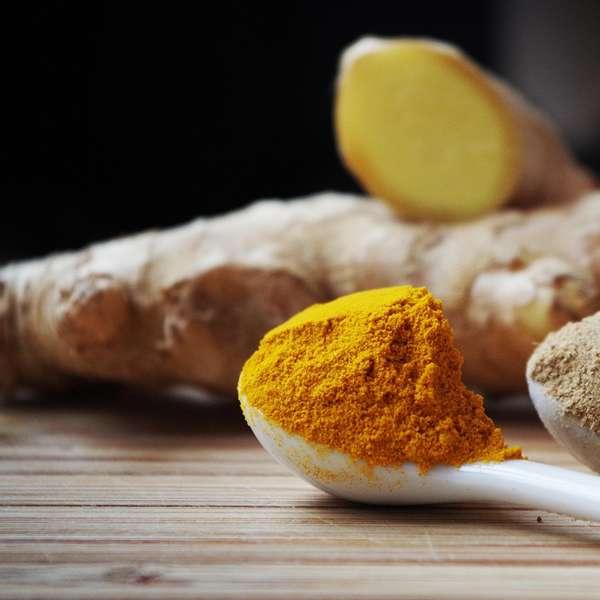
Turmeric (Curcuma longa) is a bright yellow-orange rhizome (underground stem) widely used as a spice and medicinal herb. It has a warm, earthy, and slightly bitter flavor with a distinct aroma. The outer skin is rough and brownish, while the inner flesh is deep orange. Turmeric is commonly used fresh (raw) or dried and powdered, especially in Asian cuisines.
Growing Method
Turmeric grows best in warm, humid tropical climates with well-drained, fertile soil rich in organic matter and a pH of 5.5–7.5. It requires partial to full sunlight and consistent moisture. Turmeric is propagated using rhizomes (pieces of the root) planted in soil. The crop typically takes 7–10 months to mature. It is harvested when the leaves start to yellow and dry, indicating that the rhizomes are ready.
Nutritional Value
Raw turmeric is rich in bioactive compounds, especially curcumin, which has strong anti-inflammatory and antioxidant properties. It also contains vitamins C, B6, and minerals like potassium, iron, and manganese. Turmeric supports immune function, aids digestion, promotes skin health, and may help reduce inflammation and oxidative stress in the body.
Culinary Use
Raw turmeric is used in cooking, pickles, herbal drinks, and traditional dishes. It can be grated or sliced and added to curries, soups, and teas. It pairs well with ginger, garlic, honey, lemon, and spices like black pepper, which enhances curcumin absorption. Turmeric is also used in milk (golden milk) and health tonics.
Storage and Care
Fresh turmeric should be stored in a cool, dry place or refrigerated to extend its shelf life for 2–3 weeks. It can also be frozen for longer storage. Once cut, store it in an airtight container in the refrigerator and use within a few days. Keep it away from excess moisture to prevent spoilage.