
Description
Description
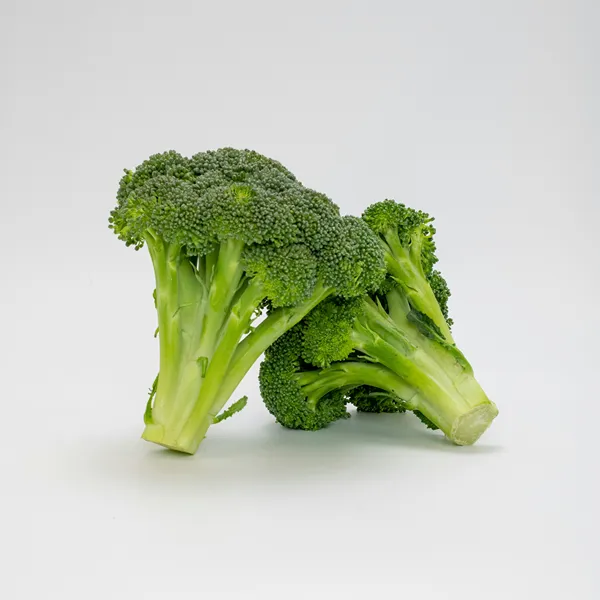
Broccoli is a nutrient-rich vegetable known for its dense clusters of green florets and thick stalks. It has a slightly bitter, earthy flavor with a tender yet crisp texture when cooked properly. Broccoli is highly valued for its versatility and health benefits, commonly used in a variety of cuisines around the world.
Growing Method
Broccoli thrives in cool climates and prefers fertile, well-drained soil with consistent moisture. It is usually started from seeds or transplants and requires full sun to partial shade. Broccoli plants mature in about 60–90 days and benefit from regular watering and fertilization. Proper spacing ensures good air circulation to prevent disease.
Nutritional Value
Broccoli is packed with vitamins C and K, folate, fiber, and antioxidants like sulforaphane, which may have cancer-fighting properties. It supports immune health, digestion, and bone strength while being low in calories, making it a nutritious choice for weight management.
Culinary Use
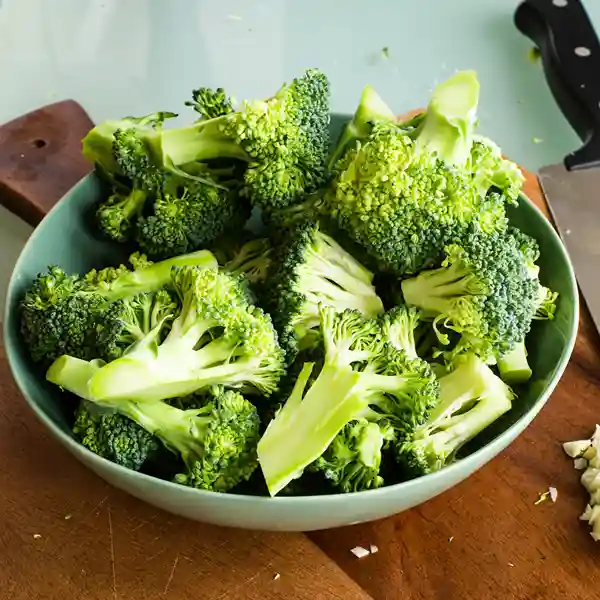
Broccoli can be eaten raw, steamed, roasted, sautéed, or added to soups and casseroles. Its mild flavor pairs well with garlic, lemon, cheese, and various herbs and spices. It is a popular ingredient in salads, stir-fries, and pasta dishes.
Storage & Care
Store fresh broccoli unwashed in the refrigerator’s crisper drawer, ideally in a perforated plastic bag, for up to 3–5 days. Avoid moisture buildup to prevent mold. Broccoli can also be blanched and frozen for longer storage, retaining much of its flavor and nutrients.