
The culinary landscape in Guwahati is undergoing a quiet revolution. As the largest metropolis in Northeast India continues to expand—with its population now exceeding 1.15 million—restaurateurs are increasingly turning away from traditional vegetable suppliers in favor of local hydroponic farms. This shift represents more than just a trend; it’s a strategic response to mounting challenges in the conventional supply chain and a growing demand for fresher, higher-quality exotic vegetables.
The Traditional Supply Chain Struggle
Guwahati’s restaurants have long grappled with the limitations of traditional vegetable suppliers. The region’s agricultural sector, while abundant in certain crops, faces significant challenges that directly impact commercial kitchens. Weather-related crop damage has become increasingly problematic, with heavy and sustained rainfall regularly destroying cauliflower and brinjal crops across the state, leading to dramatic supply shortages.
The traditional supply chain in Assam remains characterized by inefficiency and high costs. Most agricultural produce continues to be traded in traditional marketing centers like “Haats” and weekly markets, where middlemen play a dominant role, resulting in inflated prices and inconsistent quality. For restaurants requiring exotic vegetables like bell peppers, colorful lettuces, or specialty herbs, the challenges multiply exponentially.
Seasonal limitations further compound these issues. Restaurant owners frequently face the frustrating reality of paying premium prices—sometimes three times the normal rate—for out-of-season produce that often lacks the quality their customers expect. Transportation delays from distant suppliers mean that by the time exotic vegetables reach Guwahati’s commercial kitchens, they’ve lost much of their nutritional value and visual appeal.
The Hydroponic Revolution Takes Root
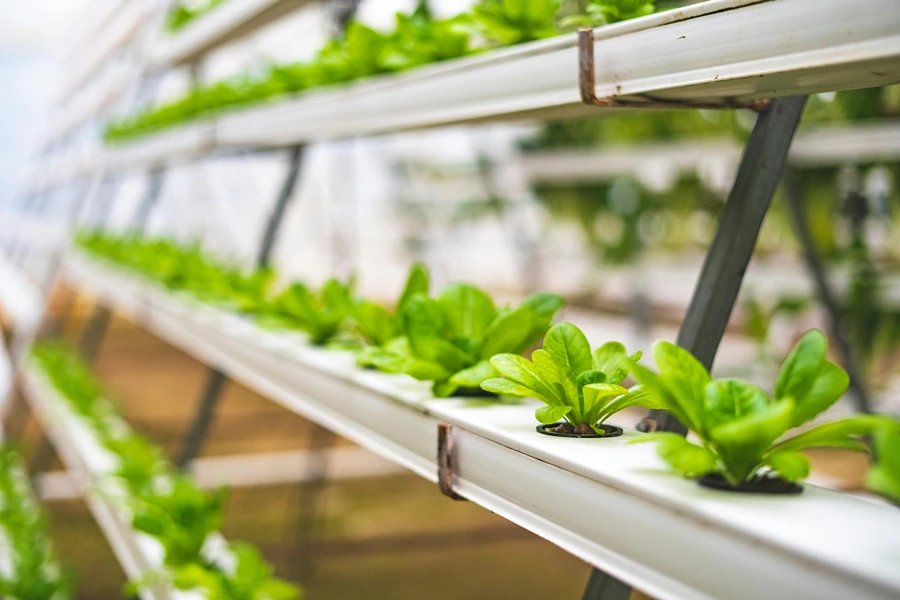
Enter hydroponic farming—a soil-less cultivation method that’s rapidly gaining traction in Guwahati’s immediate vicinity. Indoor Farm Guwahati, now the largest indoor farm in Northeast India with a capacity of over 13,000 plants, exemplifies this transformation. Using advanced hydroponic technology, these facilities grow a wide variety of crops including leafy greens, herbs, and exotic vegetables in controlled environments that ensure consistent quality and supply.
The numbers tell a compelling story. Hydroponic systems routinely produce significantly higher yields than traditional farming methods. Lettuce production reaches 30 kg/m² compared to just 20 kg/m² in conventional farming, while tomatoes yield 15 kg/m² versus 10 kg/m² in soil-based cultivation. For restaurants requiring consistent supplies of exotic vegetables, these higher yields translate directly to reliable availability and competitive pricing.
Economic Advantages Drive Adoption
The financial benefits of switching to hydroponic suppliers are becoming increasingly clear to Guwahati’s restaurant operators. While hydroponic farms require higher initial setup costs—approximately ₹1.8 lakh compared to ₹1.4 lakh for traditional farms—their annual operational costs are actually lower at ₹45,000 versus ₹52,000 for conventional farming. This efficiency translates to better pricing for restaurant buyers and more predictable cost structures.
Perhaps most importantly, hydroponic farms generate substantially higher profits—₹1.05 lakh annually compared to ₹68,000 from traditional farming—enabling them to offer competitive prices while maintaining superior quality standards. This economic advantage creates a win-win situation for both hydroponic suppliers and restaurant purchasers.
Quality and Freshness: The Game Changers
The quality differential between hydroponically grown and traditionally sourced exotic vegetables is immediately apparent to professional chefs. Hydroponic vegetables are typically fresher and of higher quality because they can be harvested and used immediately, drastically reducing the time between farm and table. This freshness advantage is particularly crucial for exotic vegetables, which often deteriorate rapidly during transport.
The pesticide-free nature of hydroponic produce addresses growing consumer concerns about chemical residues in food. Hydroponic vegetables require minimal or no pesticides because they’re grown in controlled environments that naturally prevent pest infestations. This clean growing method not only ensures food safety but also appeals to increasingly health-conscious diners who are willing to pay premium prices for organic, locally-grown produce.
Operational Benefits for Commercial Kitchens
Beyond quality and cost considerations, hydroponic suppliers offer operational advantages that traditional vendors struggle to match. Year-round production capabilities mean restaurants can plan menus without worrying about seasonal availability of exotic ingredients. This consistency is invaluable for establishments that have built their reputations around specific dishes requiring particular vegetables.
The space efficiency of hydroponic farming—using up to 99% less land than traditional agriculture—enables production facilities to operate closer to urban centers. This proximity significantly reduces transportation costs and delivery times, allowing restaurants to receive fresh exotic vegetables within hours of harvest rather than days.
Precise nutrient control in hydroponic systems also means vegetables can be customized to meet specific culinary requirements. Some commercial hydroponic operations even allow restaurants to influence the flavor profiles, nutritional content, and physical characteristics of crops to match their exact needs.
Environmental Sustainability: A Growing Concern
Guwahati’s restaurants are increasingly recognizing the environmental benefits of sourcing from hydroponic suppliers. These facilities use up to 90% less water than traditional farming—a crucial advantage in a region where water scarcity and unpredictable monsoons pose ongoing challenges. The reduced environmental footprint aligns with growing consumer expectations for sustainable dining options.
The elimination of food miles—the distance food travels from production to consumption—represents another significant environmental advantage. Local hydroponic production reduces transportation-related carbon emissions while ensuring peak freshness. This sustainability message resonates strongly with environmentally conscious diners and helps restaurants build their green credentials.
Technology Integration and Future-Proofing
Modern hydroponic facilities in the Guwahati region are incorporating advanced technologies that traditional suppliers simply cannot match. Automated irrigation systems, climate control, and LED lighting ensure optimal growing conditions while minimizing labor costs and human error. These technological advantages translate to more reliable supply schedules and consistent product quality for restaurant partners.
The integration of IoT sensors and monitoring systems allows hydroponic suppliers to track crop development in real-time, providing restaurants with accurate delivery predictions and inventory planning capabilities. This technological sophistication enables restaurants to optimize their procurement processes and reduce food waste.
Market Growth and Future Outlook
The hydroponic farming sector in India is experiencing explosive growth, with the market valued at ₹82.7 million in 2024 and projected to reach ₹579.7 million by 2033—a compound annual growth rate of 21.5%. This rapid expansion is creating more opportunities for restaurants to establish partnerships with local hydroponic suppliers.
Government support is accelerating this growth through subsidies and initiatives like the vertical garden scheme under the Mission of Integrated Development of Horticulture. These policy supports are making hydroponic farming more accessible and economically viable, ultimately benefiting restaurant operators through improved supplier options.
The Competitive Edge
For Guwahati’s restaurants, the switch to hydroponic suppliers represents more than just an operational change—it’s a competitive advantage. Establishments can now offer consistently fresh, exotic vegetables while controlling costs and supporting local sustainable agriculture. This positioning appeals to the growing segment of diners who value quality, sustainability, and innovation in their dining experiences.
As traditional suppliers continue to struggle with weather dependencies, transportation challenges, and quality inconsistencies, hydroponic farms offer a reliable alternative that meets the demanding needs of modern commercial kitchens. The future of restaurant vegetable supply in Guwahati increasingly points toward these innovative, locally-operated hydroponic facilities that combine technological sophistication with environmental responsibility.
The transformation is already underway, with forward-thinking restaurants leading the charge toward a more sustainable, reliable, and quality-focused approach to exotic vegetable procurement.