
Description
Description
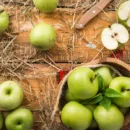
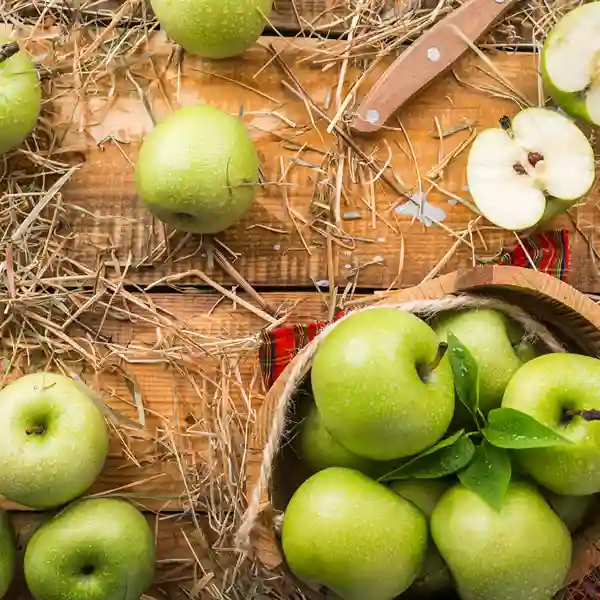
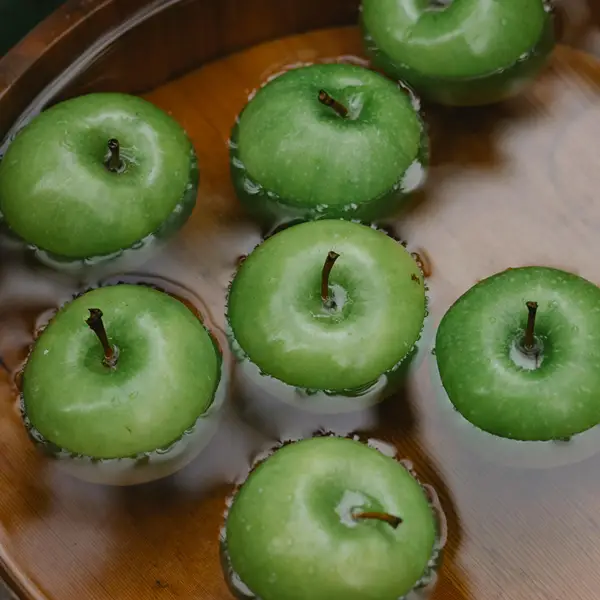
Green apple is a crisp, tart fruit known for its bright green skin and firm, juicy flesh. With a refreshing balance of sweet and sour flavors, green apples are popular for eating fresh, cooking, and baking. Their vibrant color and tangy taste make them a favorite in salads, desserts, and sauces, while their firm texture holds up well under heat. Varieties like Granny Smith are the most common green apples, appreciated for their versatility and distinct acidity that adds brightness to a variety of culinary dishes.
Growing Method
Green apple trees thrive in temperate climates with well-drained, fertile soils and full sun exposure. They require a period of winter chilling for proper dormancy and fruit set. Trees are typically propagated through grafting to maintain desired traits and are planted with adequate spacing to allow for air circulation and growth. Regular pruning, pest control, and consistent irrigation are essential for healthy development and high-quality fruit production. Harvest usually occurs in late summer to early fall, depending on the variety.
Nutritional Value
Green apples are low in calories and fat while providing a good source of dietary fiber, vitamin C, and various antioxidants. They support digestive health, aid in weight management, and contribute to immune system function. The skin is rich in phytonutrients, which may have anti-inflammatory and heart health benefits. Their high water content also helps with hydration and satiety.
Culinary Use
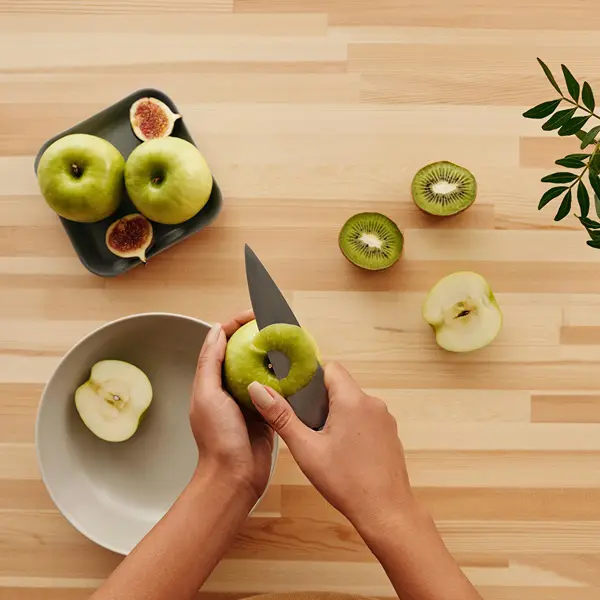
Green apples are enjoyed fresh as a snack or sliced in salads, where their tartness complements sweeter ingredients. They are ideal for baking pies, crisps, and tarts, offering a firm texture that softens without becoming mushy. Green apples are also used in sauces, chutneys, and juices, as well as paired with cheeses, nuts, and savory dishes to balance richness with acidity. Their versatile flavor profile makes them a staple in both sweet and savory recipes.
Storage & Care
Green apples should be stored in a cool, humid environment such as a refrigerator crisper drawer to maintain firmness and freshness for several weeks. Avoid storing near ethylene-producing fruits like bananas to prevent premature ripening. Once cut, apples should be wrapped tightly or kept in an airtight container and consumed within a day or two to prevent browning. Using lemon juice or other acidic solutions can help maintain color after cutting.