
Description
Description
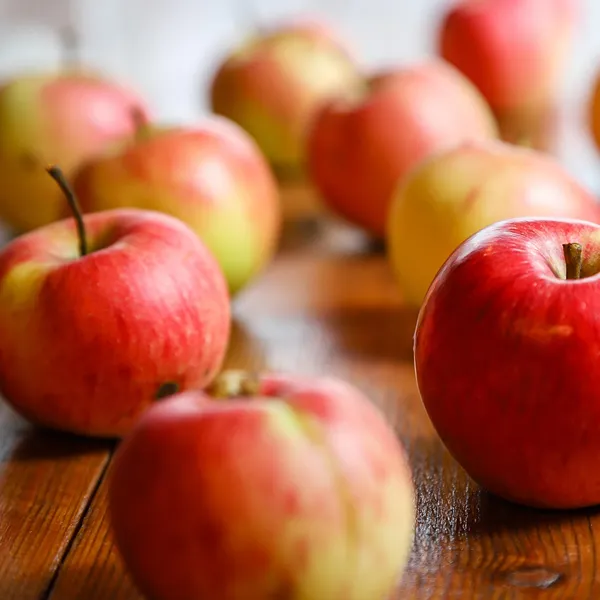
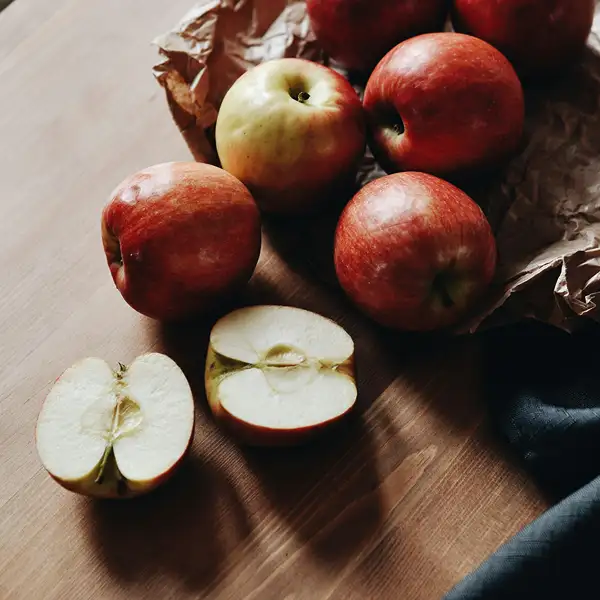
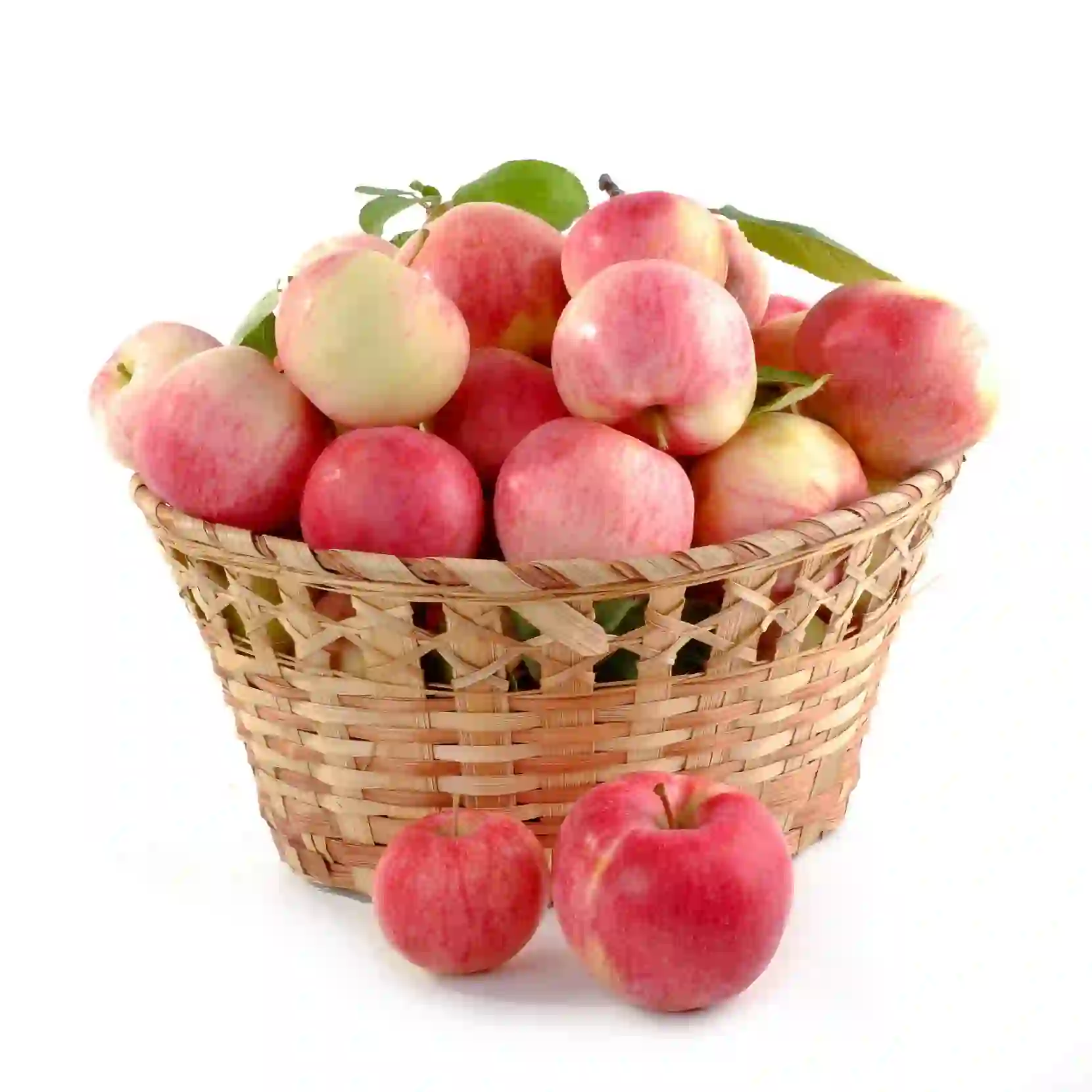
Apple is a widely loved fruit known for its crisp texture, juicy flesh, and a flavor that ranges from sweet to tart depending on the variety. Apples come in various colors, including red, green, and yellow, each with unique taste profiles and uses. This versatile fruit is enjoyed fresh, cooked, or processed into juices, sauces, and desserts. Apples have a firm yet tender bite and a refreshing balance of sweetness and acidity that makes them a staple in cuisines worldwide.
Growing Method
Apple trees thrive in temperate climates with well-drained, fertile soil and full sun exposure. They require a chilling period during winter to break dormancy and promote flowering and fruit set. Trees are usually propagated through grafting to preserve desirable fruit characteristics. Proper pruning, pest and disease management, and adequate irrigation are essential to ensure healthy growth and high fruit yield. Apples typically mature and are harvested in late summer through autumn, depending on the cultivar.
Nutritional Value
Apples are low in calories and fat, and an excellent source of dietary fiber, vitamin C, and various antioxidants. The skin contains significant amounts of phytonutrients, which contribute to anti-inflammatory and heart health benefits. Apples support digestion, immune function, and weight management, making them a nutritious choice for a balanced diet.
Culinary Use
Apples are extremely versatile in the kitchen. They can be eaten fresh, sliced into salads, baked into pies and tarts, cooked into sauces and compotes, or juiced. Sweet varieties are often enjoyed raw, while tart apples are preferred for cooking and baking. Apples pair well with spices such as cinnamon and nutmeg, and complement ingredients like cheese, nuts, and pork. They are also used in preserves, ciders, and savory dishes across many cuisines.
Storage & Care
Apples should be stored in a cool, humid environment such as a refrigerator crisper drawer to maintain freshness and crispness for several weeks. Avoid storing near ethylene-producing fruits like bananas to slow ripening. Once cut, apples should be kept in an airtight container and consumed within a day or two to prevent browning. Applying lemon juice or other acidic treatments helps preserve color after slicing.