
Description
Description
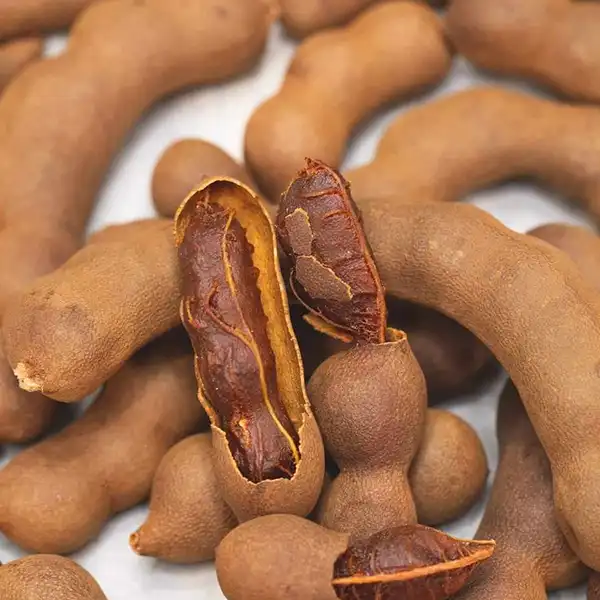
Imli, also known as tamarind, comes from the tree Tamarindus indica. It is a tropical fruit recognized for its brown, pod-like shell that contains a sticky, dark brown pulp inside. The pulp has a unique sweet and tangy (khatti-meethi) flavor, which makes it very popular in many cuisines. Its rich taste and slightly fibrous texture give dishes a bold and refreshing sour kick. Tamarind is widely used in chutneys, sauces, candies, and beverages around the world.
Growing Method
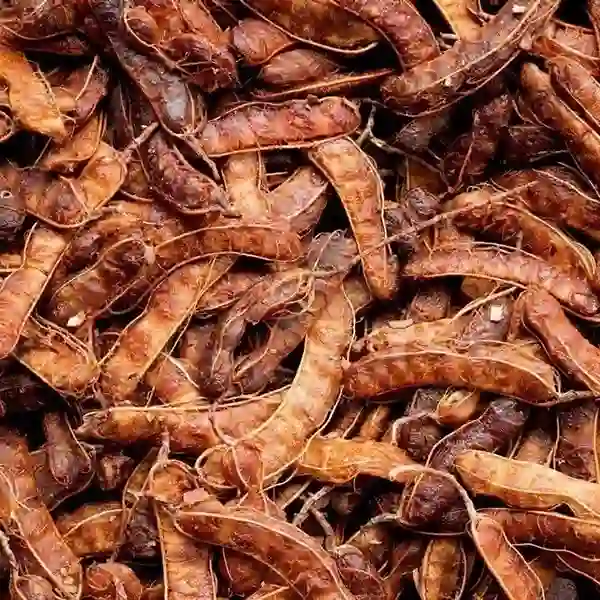
Tamarind grows on large, long-living evergreen trees that thrive in tropical and subtropical climates. The tree prefers well-drained soil and full sunlight for healthy growth. It is drought-tolerant once established and can survive in warm conditions. The tree produces small yellow flowers with red streaks, which later develop into curved brown pods. The fruit typically matures several months after flowering, and the pods are harvested when they become dry and brittle.
Nutritional Value
Tamarind is rich in vitamins and minerals such as vitamin C, vitamin B complex, potassium, magnesium, and iron. It provides dietary fiber and contains natural antioxidants that help protect the body from oxidative stress. Tamarind is also known to support digestion, boost immunity, and promote heart health. Due to its natural compounds and nutrient content, it is considered beneficial when included in a balanced diet.
Culinary Use
Imli is widely used in Asian, Middle Eastern, and Latin American cuisines. It is a key ingredient in chutneys, curries, sauces, and street foods like pani puri and samosas. Tamarind pulp is also used to prepare refreshing drinks and candies. Its tangy flavor pairs well with spices, jaggery, chili, and garlic. Because of its strong sour taste, it works both as a main flavoring agent and as a balancing ingredient in savory dishes.
Storage & Care
Fresh tamarind pods should be stored in a cool, dry place. Once the shell is removed, the pulp can be kept in an airtight container in the refrigerator for several weeks. Tamarind pulp can also be frozen for long-term storage without losing much of its flavor. Keep it away from moisture to prevent spoilage and maintain freshness.