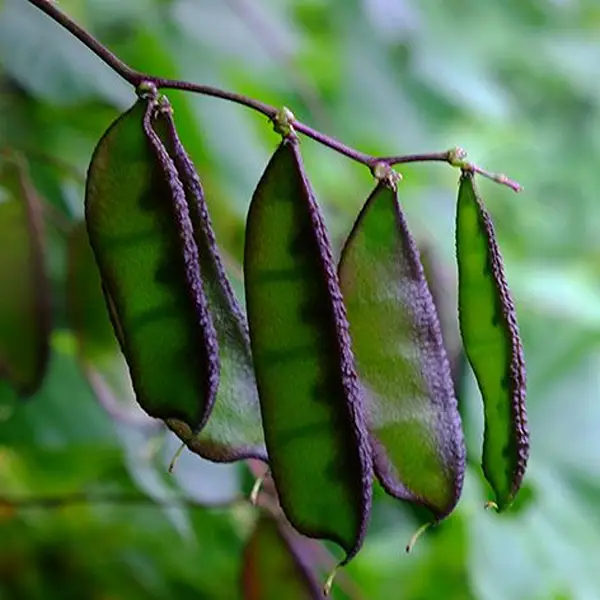


Description
Description
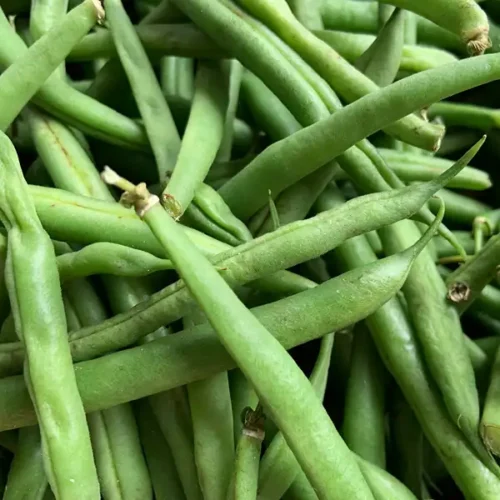
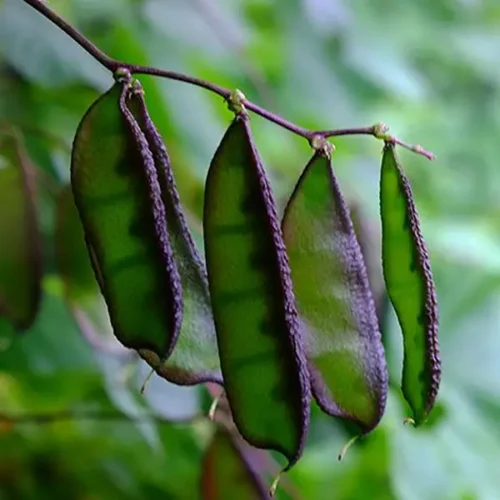
Lablab beans are smooth, slightly curved pods that vary in color from green to purple, depending on the variety. Inside the pods are flat, oval-shaped seeds that can be white, brown, or mottled. The pods have a mild, slightly sweet flavor when young, while the mature seeds have a richer, nutty taste. Lablab beans are popular in Asian and African cuisines and are commonly used in curries, stir-fries, soups, and traditional herbal preparations.
Growing Method
Lablab beans grow best in warm tropical or subtropical climates with plenty of sunlight. They prefer well-drained soil with good organic matter. The plant is usually grown from seeds and climbs vigorously, so it needs trellises or other support structures. It is drought-tolerant once established but performs best with regular watering. Flowers and pods appear throughout the growing season, and beans can be harvested when the pods are tender and green.
Nutritional Value
Lablab beans are rich in protein, dietary fiber, iron, magnesium, and B vitamins. They provide slow-releasing energy and support digestion due to their fiber content. The beans also contain antioxidants that help protect cells from damage. Mature seeds must be properly cooked, as they contain natural compounds that are neutralized during boiling.
Culinary Use
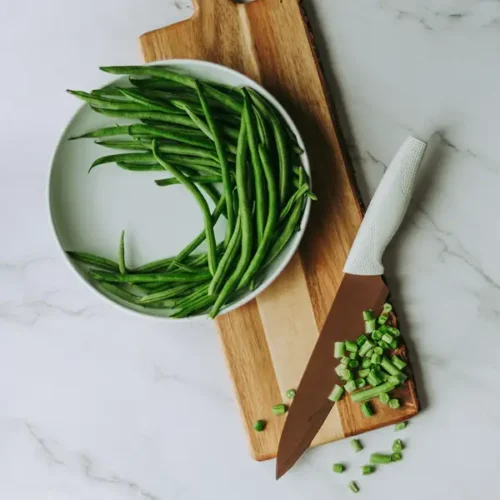
Tender pods can be cooked like other green beans in stir-fries, stews, and mixed vegetable dishes. Mature seeds are often soaked and boiled before being added to curries, lentil mixes, or savory snacks. In some cuisines, the flowers and young leaves are also used as vegetables. Lablab beans absorb flavors well, making them suitable for spiced and savory preparations.
Storage and Care
Fresh lablab pods should be kept in a cool, dry place or refrigerated in a breathable bag. They stay fresh for about 3 to 4 days. Mature dried seeds should be stored in an airtight container away from moisture and sunlight. Always wash the beans just before use, not before storing, to prevent premature spoilage.