



Description
Description
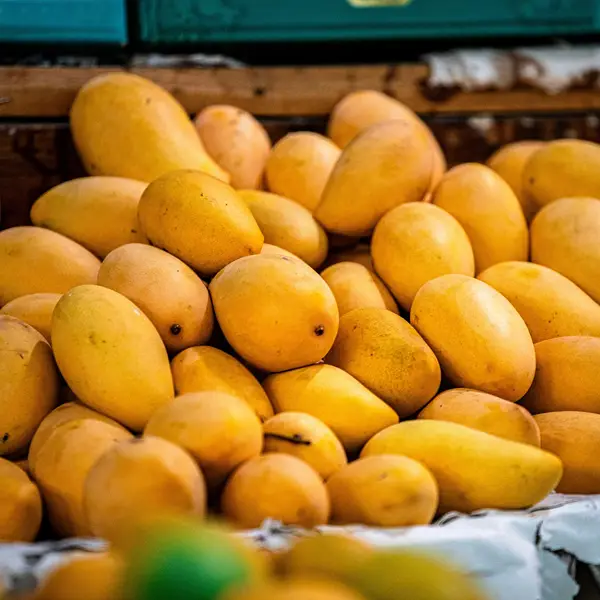
Mango is a tropical stone fruit known for its sweet, juicy flesh and fragrant aroma. It has a smooth skin that varies in color from green to yellow, red, or orange depending on the variety. Mangoes are beloved worldwide for their rich, tropical flavor and creamy texture, making them a popular fruit for fresh eating and culinary uses.
Growing Method
Mango trees thrive in warm, frost-free tropical and subtropical climates with well-drained soil and full sun exposure. They are typically propagated through grafting to maintain fruit quality. Mango trees require regular watering during flowering and fruit development but prefer drier conditions once mature. Fruits mature 3–6 months after flowering.
Nutritional Value
Mangoes are rich in vitamins A, C, and E, antioxidants, dietary fiber, and minerals like potassium. They support immune function, eye health, digestion, and skin vitality. Mangoes provide natural sugars for energy along with essential nutrients.
Culinary Use
Mangoes are enjoyed fresh, in smoothies, desserts, salads, salsas, and chutneys. They are used in both sweet and savory dishes and can be dried or juiced. Their sweet, tropical flavor pairs well with lime, chili, yogurt, and seafood.
Storage & Care
Store unripe mangoes at room temperature until they soften and ripen. Once ripe, refrigerate to slow further ripening and consume within a few days. Avoid bruising to maintain quality and flavor.