
Description
Description
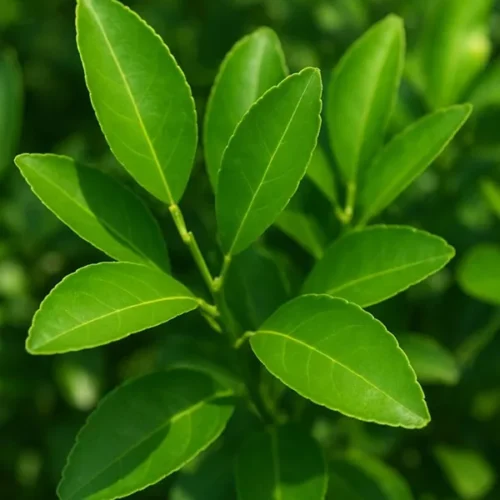
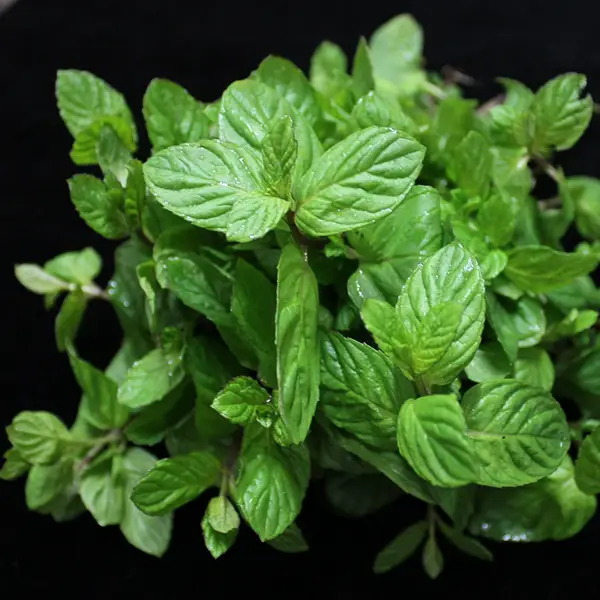
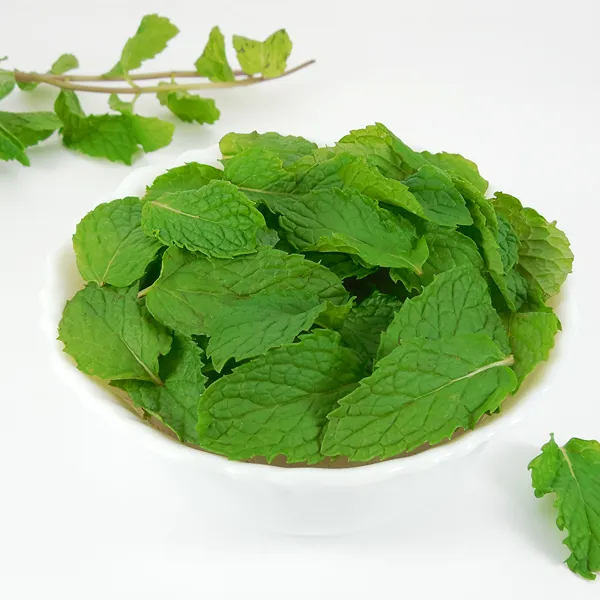
Mint leaves are aromatic, bright green herbs known for their refreshing, cool flavor and invigorating scent. The leaves are oval to lance-shaped with serrated edges and grow in pairs along square-shaped stems. Mint’s flavor is clean, slightly sweet, and distinctly cooling due to the presence of menthol, making it one of the most popular herbs worldwide. Used fresh or dried, mint plays a key role in both sweet and savory dishes, as well as beverages, traditional medicines, and cosmetic products. Its versatility and soothing properties make it a staple in home gardens and kitchens.
Growing Method
Mint is a hardy perennial herb that thrives in a wide range of climates. It prefers rich, moist, well-draining soil and partial to full sunlight. Mint is typically grown from cuttings, root divisions, or nursery transplants rather than seed due to its vigorous growth. It spreads quickly and can become invasive, so it is often grown in containers or confined garden spaces. Regular harvesting encourages bushy growth, and keeping the plant pruned helps maintain its flavor and prevent flowering, which can reduce leaf quality. Mint prefers consistent watering and benefits from occasional feeding with organic compost or balanced fertilizer.
Nutritional Value
Mint leaves are low in calories but rich in beneficial compounds, including vitamins A and C, calcium, iron, and potassium. They are especially noted for their high menthol content, which offers cooling, antimicrobial, and soothing properties. Mint has been traditionally used to aid digestion, relieve headaches, and freshen breath. Its essential oils have antioxidant and anti-inflammatory effects, making it a functional herb in both culinary and medicinal contexts.
Culinary Use
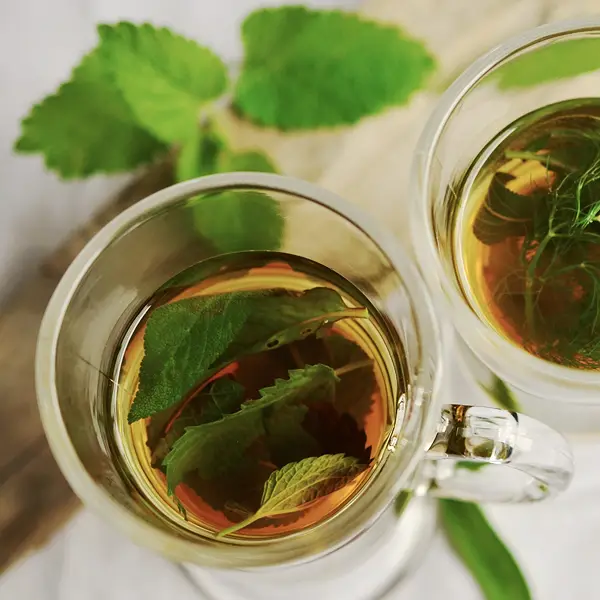
Mint is a versatile herb used across a wide variety of cuisines. Fresh mint leaves are commonly added to salads, chutneys, sauces, desserts, yogurt dishes, and beverages like teas, mojitos, or lemonades. It pairs well with fruits, chocolate, lamb, peas, and dairy, and is essential in dishes such as tabbouleh, raita, and mint chutney. Mint can be chopped, muddled, or used whole as a garnish. While drying reduces some of its vibrant flavor, dried mint is still used in teas and spice blends. It should be added at the end of cooking to retain its fresh flavor and aroma.
Storage & Care
Fresh mint leaves should be stored in the refrigerator wrapped in a damp paper towel and placed inside a breathable bag or container. Alternatively, stems can be kept in a glass of water at room temperature, loosely covered with a plastic bag. Mint stays fresh for 5–7 days when stored properly. For long-term use, mint can be air-dried, frozen whole, or chopped and frozen in ice cube trays with water or oil. Dried mint should be stored in an airtight container in a cool, dark place and used within 6–12 months for the best flavor.