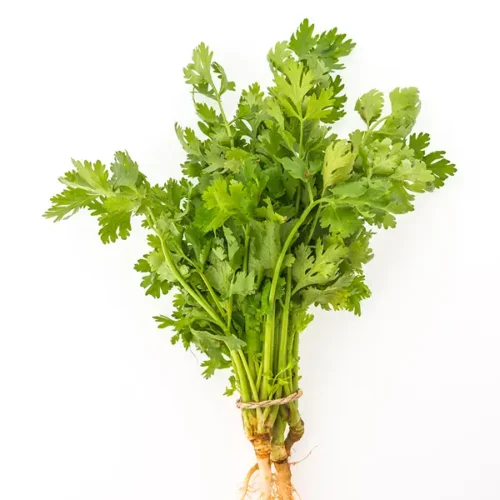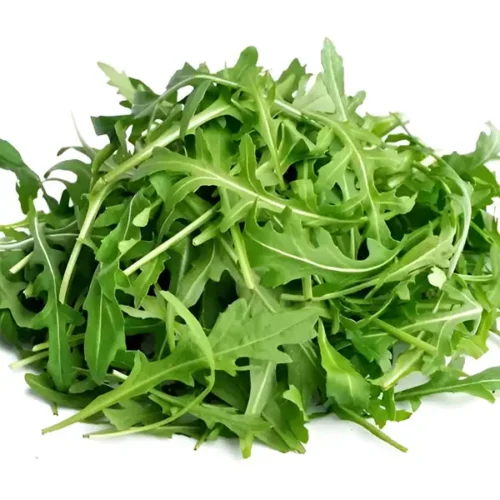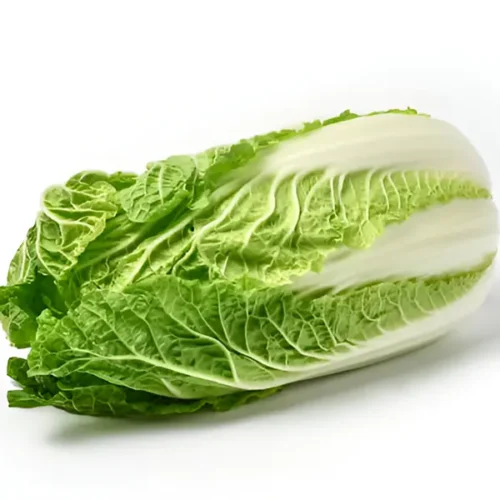

Description
Description
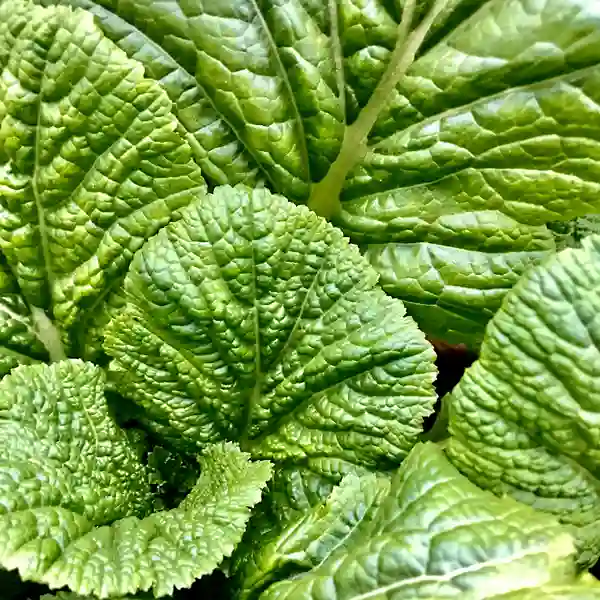
Mustard greens are leafy, vibrant green vegetables with frilled or flat leaves, often exhibiting a slightly crinkled or curly texture. Their flavor is bold, peppery, and pungent—comparable to horseradish or spicy mustard—especially when raw. Cooking mellows their sharpness, resulting in a more balanced, earthy, and slightly bitter taste. The leaves are tender when young, while mature greens develop a firmer, heartier texture. Mustard greens are a staple in Southern, Asian, and African cuisines, valued for both their flavor and nutritional potency.
Growing Method
Mustard greens thrive in cool-season climates and are typically grown from seed, either directly sown into the soil or started indoors and transplanted. They grow quickly—often ready to harvest in 30–45 days—and prefer rich, well-drained soil with consistent moisture. These resilient greens can be grown in garden beds, raised plots, or containers, and are ideal for succession planting. With minimal pest issues and the ability to grow without synthetic inputs, mustard greens are a sustainable choice for home and market gardeners alike.
Nutritional Value
Mustard greens are a powerhouse of nutrients while being low in calories. They’re rich in vitamins A, C, and K, and are a good source of folate, calcium, manganese, and dietary fiber. High in antioxidants and glucosinolates, they may help reduce inflammation, support detoxification, and offer protection against certain chronic diseases. Their high vitamin K content supports bone health and proper blood clotting, while vitamin C boosts immune function and skin health.
Culinary Use
Mustard greens can be enjoyed raw, sautéed, steamed, braised, or pickled. Their peppery kick adds boldness to salads and slaws when used fresh. In cooked dishes, they are commonly simmered with aromatics like garlic, onion, and chili, or paired with smoked meats in Southern-style preparations. In Asian cuisines, they appear in stir-fries, soups, and fermented as pickles or preserved vegetables. Their strong flavor stands up well to rich ingredients like coconut milk, sesame oil, or cured meats, and they blend seamlessly into stews, curries, and rice dishes.
Storage & Care
Fresh mustard greens should be stored unwashed in a breathable produce bag in the refrigerator, where they will stay fresh for 3 to 5 days. Wash thoroughly just before use, as their textured leaves can trap dirt and grit. To extend shelf life, they can be blanched and frozen for later use. Avoid storing in airtight plastic, which can accelerate wilting. For preservation, mustard greens can also be fermented or pickled to retain flavor and nutritional value.