
Description
Description
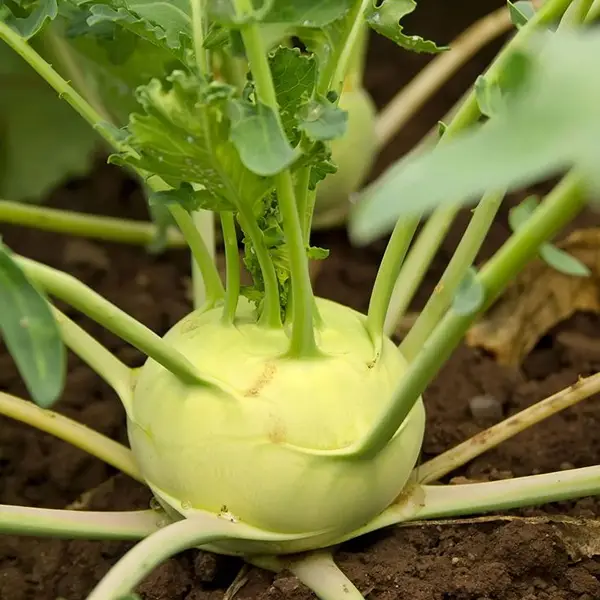
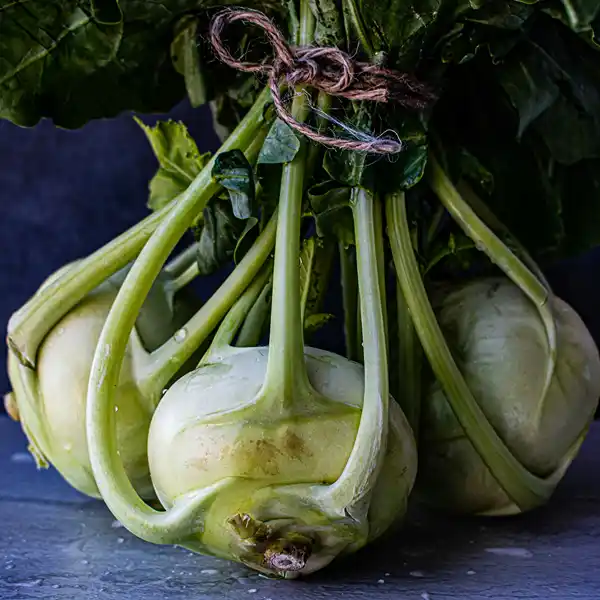
Kohlrabi, also known as Olkopi or German turnip, is a unique vegetable from the cabbage family, recognized by its round, swollen stem that grows above the ground. It has a pale green or purple skin with crisp, white flesh inside. The texture is crunchy and juicy, similar to radish or apple, while the flavor is mild, slightly sweet, and subtly cabbage-like. Both the bulb and leafy greens are edible—the bulb offers a refreshing crunch, and the leaves are tender and nutritious. Its unusual appearance and clean taste make it a versatile and attractive vegetable.
Growing Method
Kohlrabi thrives in cool climates and grows best in fertile, well-drained soil rich in organic matter. It is usually grown from seeds, either directly sown or transplanted as seedlings. The crop matures quickly, typically within 6–8 weeks after planting. Consistent watering is essential to keep the bulb tender and prevent it from becoming woody. Regular weeding and proper spacing allow healthy bulb development. Succession planting helps ensure a continuous harvest during the growing season.
Nutritional Value
Kohlrabi is low in calories and packed with essential nutrients. It is an excellent source of vitamin C, which boosts immunity and skin health, and also provides vitamin B6, potassium, and fiber. The antioxidants present help fight inflammation and support heart health. Its high fiber content aids digestion and promotes gut health, while minerals like calcium and magnesium contribute to bone strength and overall metabolism.
Culinary Use
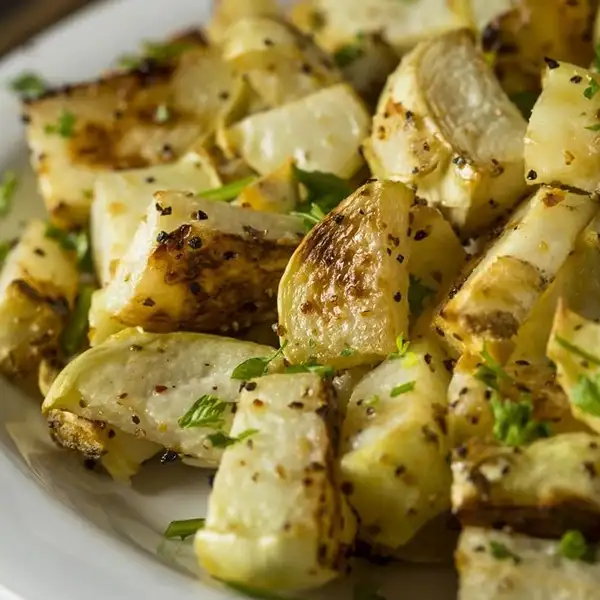
Kohlrabi is highly versatile in the kitchen. It can be eaten raw—sliced or grated into salads and slaws for a refreshing crunch. When cooked, it can be stir-fried, steamed, roasted, or added to curries, soups, and stews. In Indian cuisine, olkopi is often used in sabzi, paratha fillings, and mixed vegetable dishes. The leaves can be cooked like spinach or added to dals and stir-fries. Its mild flavor absorbs spices well, making it suitable for both simple and richly spiced recipes.
Storage & Care
Fresh kohlrabi should be stored unwashed in the refrigerator, preferably in the crisper drawer, where it can last up to 1–2 weeks. Remove the leafy tops before storing to prevent moisture loss from the bulb. The greens should be stored separately and used within a few days. For best quality, choose firm bulbs without cracks or soft spots. Proper storage helps maintain its crunch and flavor for longer use.