
Description
Description
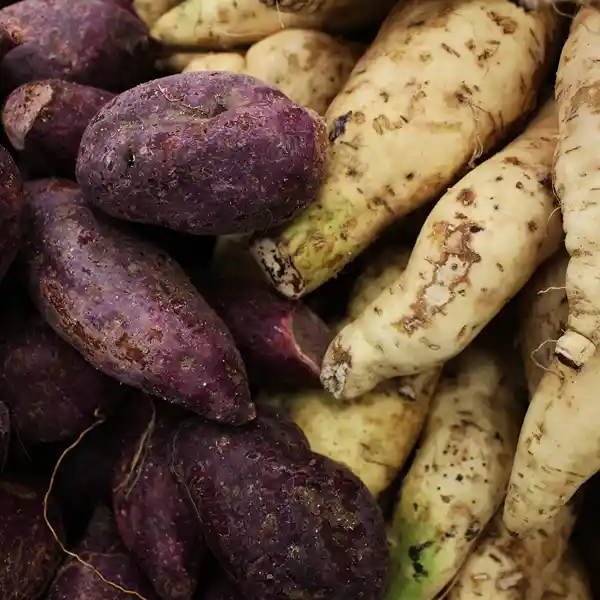
Sweet Potato, also known as sweet potato, is a starchy root vegetable with a rough outer skin and naturally sweet, vibrant flesh that ranges in color from orange and yellow to purple and white. Its texture becomes soft, creamy, and slightly caramelized when cooked, while the flavor is mildly earthy with rich honey-like sweetness. Sweet potatoes have a comforting aroma that deepens during roasting or baking due to their natural sugars. The flesh is dense yet tender, making it versatile for both savory and sweet dishes. Unlike regular potatoes, sweet potatoes have a richer sweetness and smoother texture, giving them a wholesome and satisfying taste.
Growing Method
Sweet potato is a warm-season crop that grows best in tropical and subtropical climates with loose, sandy, well-drained soil and full sunlight. It is commonly grown from vine cuttings called slips rather than seeds. The slips are planted in raised beds or ridges, where they spread quickly and develop underground tubers over 3 to 5 months. Regular watering during the early growth stage helps establish healthy vines, while moderate watering later encourages proper tuber formation. Sweet potatoes thrive in warm temperatures and require minimal maintenance aside from occasional weeding and soil loosening. Harvesting is usually done once the leaves begin to yellow and the tubers reach full size.
Nutritional Value
Sweet potatoes are highly nutritious and rich in complex carbohydrates, dietary fiber, and natural sugars that provide long-lasting energy. They are an excellent source of vitamin A in the form of beta-carotene, which supports eye health, immunity, and skin function. They also contain vitamin C, vitamin B6, potassium, manganese, and antioxidants that help reduce inflammation and oxidative stress. Purple varieties are especially rich in anthocyanins, while orange varieties contain high levels of carotenoids. Their fiber content supports digestion and gut health, and their relatively low glycemic impact compared to refined carbohydrates makes them a healthy addition to balanced diets.
Culinary Use
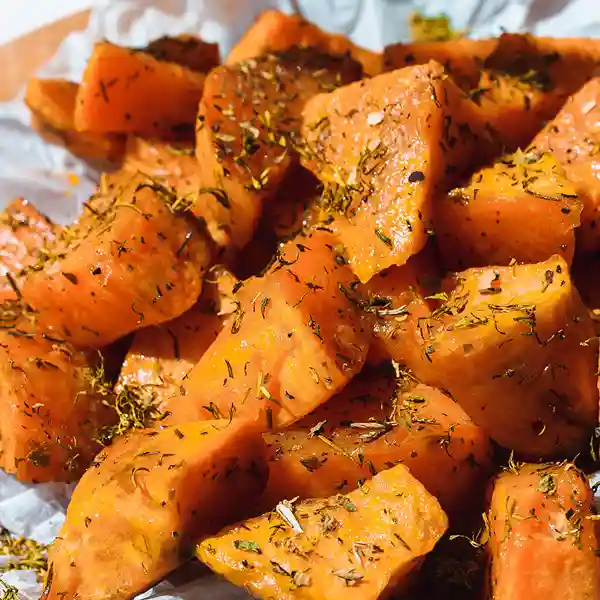
Sweet potatoes are widely used in both savory and sweet recipes around the world due to their naturally sweet flavor and creamy texture. They can be boiled, baked, roasted, steamed, mashed, fried, or grilled and are commonly used in curries, soups, fries, casseroles, desserts, and snacks. In many cuisines, sweet potatoes are turned into pies, puddings, halwa, chips, and baked goods, while savory preparations include stir-fries, salads, and roasted vegetable dishes. Their sweetness pairs beautifully with spices like cinnamon, nutmeg, chili, garlic, and herbs. Sweet potatoes are also blended into smoothies, purees, and baby foods because of their smooth consistency and nutritional richness.
Storage & Care
Fresh sweet potatoes should be stored in a cool, dry, and well-ventilated place away from direct sunlight and moisture. They should not be refrigerated before cooking, as cold temperatures can alter their texture and flavor. When stored properly, sweet potatoes can last 2 to 4 weeks at room temperature. Avoid washing them before storage, as excess moisture may promote spoilage. Cooked sweet potatoes should be refrigerated in airtight containers and consumed within 3 to 5 days. For longer preservation, cooked sweet potatoes can be frozen after mashing or slicing, maintaining their flavor and texture for several months.