
Description
Description
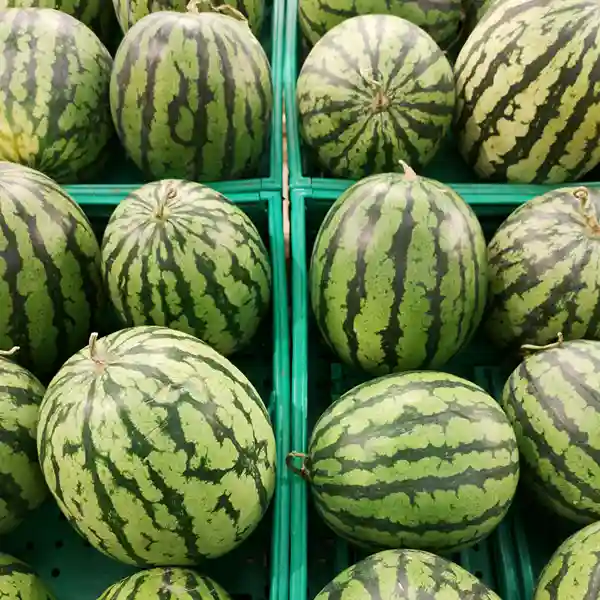
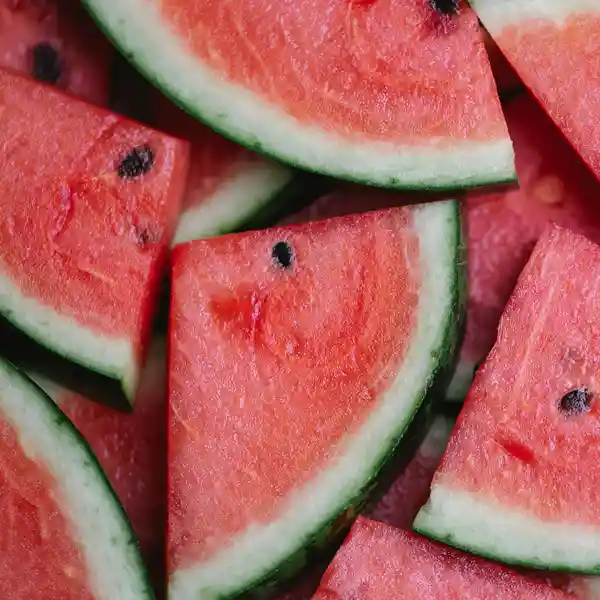
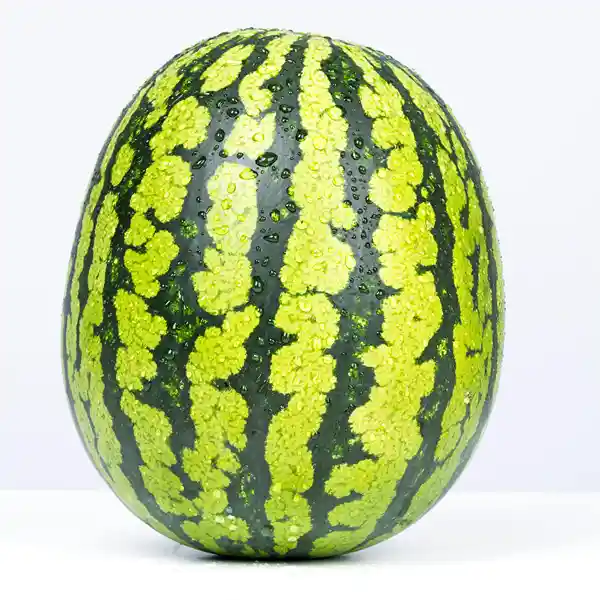
Watermelon is a large, round or oval fruit with a thick green rind and juicy, sweet red or pink flesh dotted with black seeds. Known for its high water content (over 90%), it is incredibly refreshing and hydrating, making it a popular choice during hot weather. Its mildly sweet flavor and crisp texture make watermelon a favorite in fresh fruit salads, juices, and snacks worldwide.
Growing Method
Watermelon thrives in warm, sunny climates with sandy, well-drained soil rich in organic matter. It is grown from seeds sown directly into the soil after the last frost. The plant produces sprawling vines and requires ample space, consistent watering, and warm temperatures for optimal growth. Watermelons are typically harvested 70–90 days after planting when the fruit reaches full size and the rind color dulls.
Nutritional Value
Watermelon is low in calories and packed with water, vitamins A and C, antioxidants such as lycopene, and minerals like potassium. Its hydration benefits support skin health, digestion, and heart function. The natural sugars provide a quick energy boost, while its antioxidants help protect cells from damage.
Culinary Use
Watermelon is best enjoyed fresh and chilled, often eaten sliced or cubed. It is used in fruit salads, smoothies, juices, and refreshing summer desserts. Watermelon pairs well with mint, lime, feta cheese, and chili powder, and can also be grilled or blended into cocktails for unique flavor experiences.
Storage & Care
Whole watermelons should be stored at room temperature until ripe. Once cut, watermelon must be refrigerated in an airtight container and consumed within 3–4 days to maintain freshness. Avoid storing watermelon near strong-smelling foods as it can absorb odors easily.