

Description
Description
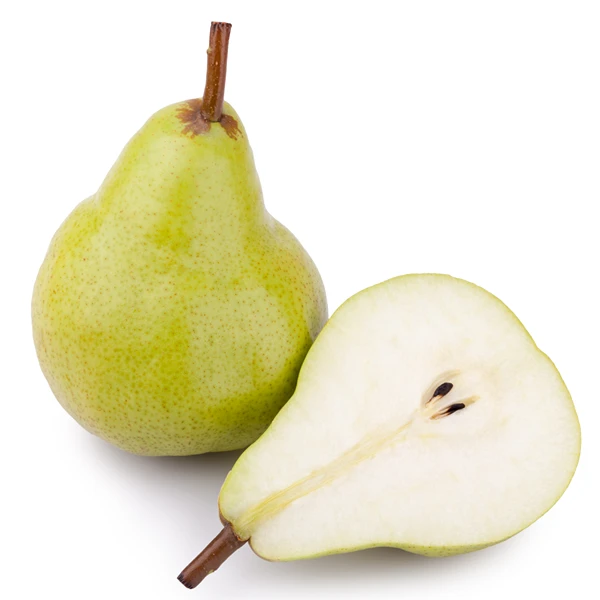
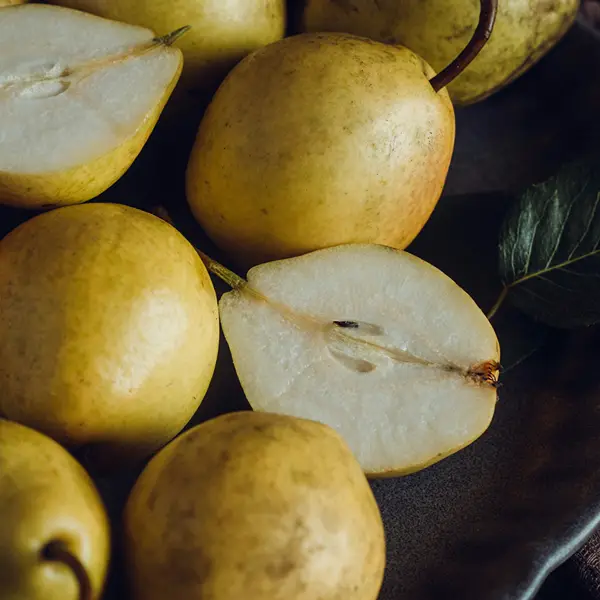
Pear is a sweet, juicy fruit known for its soft, grainy texture and distinctive bell shape. It comes in several varieties with skin colors ranging from green and yellow to red and brown. The flesh is tender and aromatic, offering a delicate balance of sweetness and mild tartness. Pears are enjoyed fresh or cooked, making them a versatile fruit in both sweet and savory dishes.
Growing Method
Pears thrive in temperate climates and are typically grown from grafted trees for consistency in fruit quality. They prefer well-drained, loamy soil and full sun exposure. Trees require proper pruning, pollination (often with the help of bees), and regular watering, especially during dry periods. Fruits are usually harvested slightly underripe and allowed to ripen off the tree to prevent bruising.
Nutritional Value
Pears are low in calories and rich in dietary fiber, vitamin C, potassium, and antioxidants. Their fiber content supports healthy digestion, while their natural sugars provide a quick source of energy. Pears also contain phytonutrients that may support heart health and reduce inflammation.
Culinary Use
Pears can be eaten fresh, sliced into salads, poached, baked into desserts like pies and tarts, or cooked down into sauces and preserves. Their mild flavor pairs well with cheese, nuts, honey, and spices like cinnamon or nutmeg. Pears also complement savory dishes like roasted meats or salads with balsamic dressing.
Storage & Care
Store pears at room temperature until they ripen—when they yield slightly to pressure near the stem. Once ripe, refrigerate to extend freshness for up to 5–7 days. Handle gently to avoid bruising. Cut pears should be stored in an airtight container in the fridge and consumed within 1–2 days.