
Description
Description
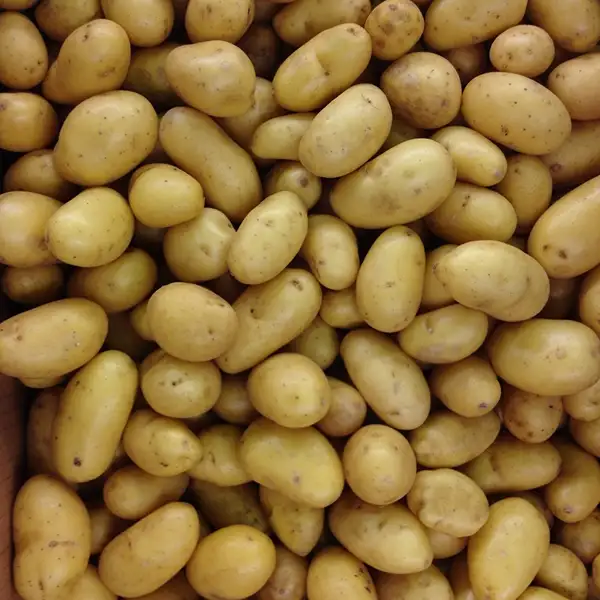
Potato (Solanum tuberosum), commonly known as aloo, is one of the most widely consumed root vegetables in the world. It is a starchy tuber with smooth or rough skin that varies in color from brown to red or yellow, and a pale white or golden interior. Potatoes have a mild, earthy flavor that becomes rich and creamy when cooked. They can be prepared in countless ways—boiled, baked, fried, mashed, or roasted—making them one of the most versatile ingredients in global cuisine. From traditional curries and soups to fries and snacks, potatoes are an essential part of everyday cooking across cultures.
Growing Method
Potatoes are grown from seed tubers rather than true seeds. They thrive in cool climates and well-drained, loose, loamy soil with a slightly acidic pH (5.5–6.5). Tubers are planted in furrows about 7–10 cm deep and covered with soil. As the plants grow, soil is mounded around the base to protect the developing tubers from sunlight and to encourage better yield. Potatoes need consistent moisture but should not be waterlogged. The crop is ready for harvest when the leaves and stems start to yellow and dry, typically 90–120 days after planting. After harvesting, potatoes are cured in a cool, dark place to toughen the skin for longer storage.
Nutritional Value
Potatoes are a rich source of carbohydrates, providing a quick and steady source of energy. They also contain important nutrients such as vitamin C, vitamin B6, potassium, magnesium, and dietary fiber. Despite being low in fat, they are filling and nutritious when prepared healthily. The antioxidants and phytonutrients in potatoes support heart health and immunity. When eaten with the skin, they offer additional fiber and minerals. However, deep-frying can increase calorie content, so boiling, baking, or steaming are healthier preparation methods.
Culinary Use
Potatoes are one of the most adaptable vegetables in the kitchen. They can be boiled, mashed, fried, roasted, or curried to create a variety of dishes. In Indian cuisine, they are used in aloo sabzi, aloo paratha, dum aloo, samosas, and pakoras. In Western cuisines, potatoes feature in mashed potatoes, stews, fries, and gratins. They pair well with spices, herbs, butter, and cheese, absorbing flavors beautifully. Potatoes are also used to make snacks, soups, and stuffed preparations. Their creamy texture and neutral taste allow them to complement almost any ingredient.
Storage & Care
Potatoes should be stored in a cool, dry, and dark place with good ventilation to prevent sprouting and spoilage. Avoid refrigeration, as cold temperatures convert starch into sugar, affecting taste and texture. Keep them away from direct sunlight, as exposure causes greening and the formation of solanine, a bitter and toxic compound. Do not wash potatoes before storage, as moisture encourages decay. Properly stored potatoes can last for several weeks. Any soft, shriveled, or sprouted ones should be discarded. For longer use, boiled or cooked potatoes can be refrigerated for 3–4 days.